Senate Stakes: 35 Seats and the Battle for Control
With 13 key races in play, Republicans seek to hold a majority while Democrats aim for a net gain of four seats in a decisive midterm.
By Sophie Costa ·
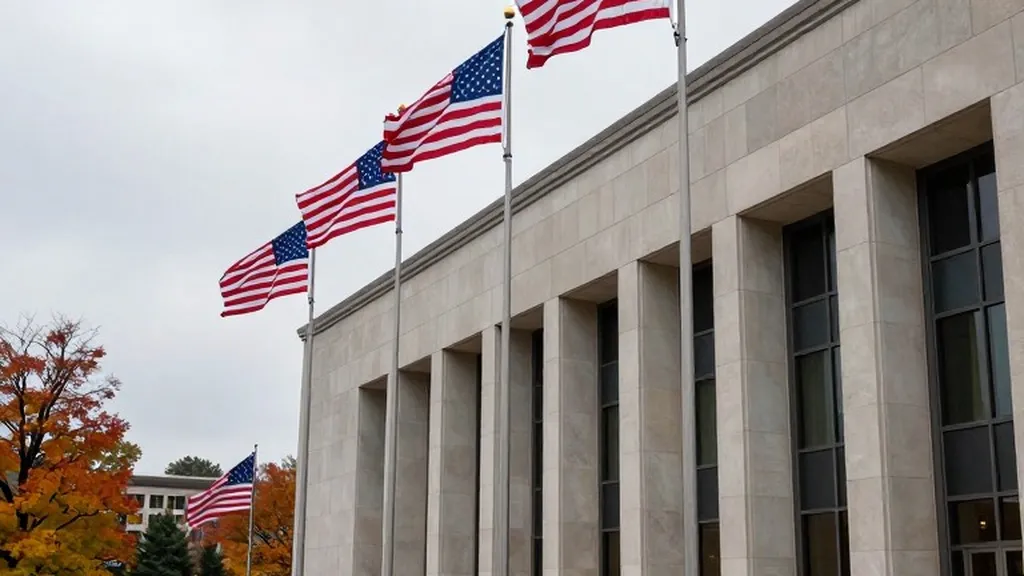
Voters across the United States are heading to the polls on Election Day, Tuesday, November 3, 2026, to decide the composition of the U.S. Senate. This midterm election occurs halfway through President Donald Trump's second term, meaning the results will determine which party controls Congress for his final two years. Thirty-five of the one hundred Senate seats are up for grabs, including 33 regular elections and two special elections. The special seats are for the remainder of the terms held by Marco Rubio in Florida and JD Vance in Ohio, who were elected in 2022.
Republicans currently hold a narrow majority with 53 seats, while Democrats hold 45 seats, plus two independents who caucus with the Democratic party. For Democrats to claim a majority, they must achieve a net gain of four seats. Republicans, by contrast, can afford to lose only two seats to maintain their control. Eleven senators are not running for reelection this cycle, including four Democrats and seven Republicans, which opens up competitive opportunities in several states.
The Associated Press describes the election as a referendum on the president's second term, noting that voters are struggling with high prices and are angry over an unpopular war with Iran. According to AP-NORC polling, 35 percent of U.S. adults approve of President Trump's job performance, and 25 percent approve of his handling of the economy. About seven in 10 respondents say the country is heading in the wrong direction, with most blaming the president for high prices. These economic concerns are central to the 13 battleground Senate races that will determine the balance of power.
Ballotpedia identifies 13 Senate races as battlegrounds, ranging from open seats to incumbent challenges. In Alaska, Republican incumbent Dan Sullivan faces a competitive field in a state where Trump won by 13.1 points in 2024. In Florida, Republican Ashley Moody is running in a special election for the seat previously held by Marco Rubio. Georgia presents a key contest for Democrats, as incumbent Jon Ossoff faces Republican Representative Mike Collins in a state that Trump won by 2.2 points. The AP notes that economic strain and tariffs have made Maine, a state won by Harris in 2024, highly competitive for Republican incumbent Susan Collins.
Other critical races include Michigan, where the seat is open after Gary Peters retired, and North Carolina, where Democratic former Governor Roy Cooper challenges former RNC chair Michael Whatley in the seat left by retiring Senator Thom Tillis. In Ohio, Democratic former Senator Sherrod Brown runs against Republican Senator Jon Husted in a special election. Texas is another focal point, where Republican Attorney General Ken Paxton, backed by President Trump in the primary, faces Democrat James Talarico. The AP highlights that Kansas, a reliably Republican state, has become central to the fight for Senate control, with incumbent Roger Marshall running in a district that Trump won by 16.2 points.
Party leaders are emphasizing the importance of turnout and economic performance. Republican National Committee Chairman Joe Gruters stated that everything depends on turnout, asserting that if Republicans turn out their voters, they win. In contrast, Democratic Congressional Campaign Committee Chair Representative Suzan DelBene said the American people are angry and want change. More than 57 million people had already voted as of Monday, surpassing the early vote totals of four years ago in many closely watched states. This high early turnout suggests a strong engagement level among both parties as they seek to influence the final outcome.
The financial aspect of the campaign is also notable, with the 2026 elections expected to be the most expensive in history. Republican committees outraised and outspent Democratic committees, aided by Trump-affiliated groups and Elon Musk. However, at the candidate level, Democrats outraised their opponents. According to AP analysis of AdImpact data, 88.1 percent of Republican general election TV ad spending went to states and districts Trump won in 2024, including more than $850 million in areas where he won by 10 points or more. This spending strategy reflects a focus on consolidating support in Republican-leaning areas while attempting to hold the Senate.
Election administration has seen some legal and logistical adjustments. A federal judge temporarily barred the Trump administration from carrying out a plan to prevent noncitizen voting, a move critics say risks disenfranchising eligible voters. Additionally, a judge ordered the administration to stop demanding that California election officials segregate ballots cast by people on lists of suspected noncitizens. The U.S. Postal Service added hours, staff, and special lines to ensure mail ballots are counted on time. These administrative details are crucial as polls open across the country, with hours varying by state, from 7 a.m. in many states to 8 p.m. or later in others.
Voters are casting their ballots with an eye on the broader implications for the next two years. If Democrats win even one chamber, investigations and possible impeachment proceedings become likely. House Democratic Leader Hakeem Jeffries, who would be the first Black speaker, has outlined a 100-day agenda focused on the cost of living and oversight. A strong Democratic night would also boost potential 2028 candidates such as Gavin Newsom, JB Pritzker, and Pete Buttigieg. Conversely, a Republican hold on the Senate would allow the president's party to continue its legislative agenda, potentially complicating the path for Vice President JD Vance in future cycles.
The outcome of these 13 Senate races will define the political landscape for the remainder of the current term. With polls open and millions having already voted, the final count will reveal which party can navigate the complex interplay of economic dissatisfaction, partisan loyalty, and strategic campaigning. The stakes are high, as control of the Senate will dictate the ability to pass legislation, confirm appointments, and conduct oversight of the executive branch. As the day progresses, the focus remains on the 35 seats up for election and the specific dynamics of each battleground state.