Ten Swing States Define the Senate Fight in 2026 Midterms
Voters in key states are deciding the balance of power in the upper chamber as polls open across the country.
By Natalie Castro ·
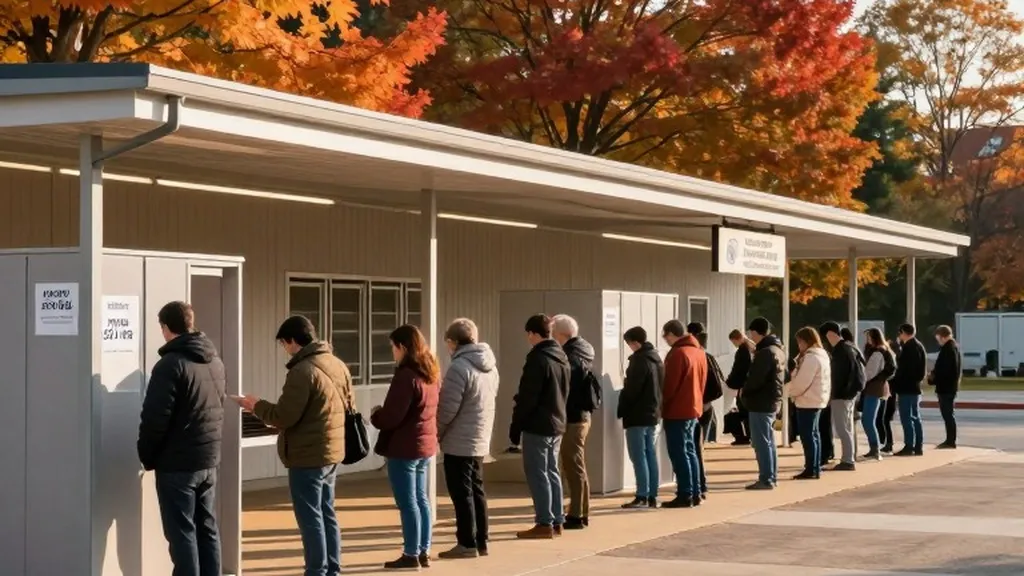
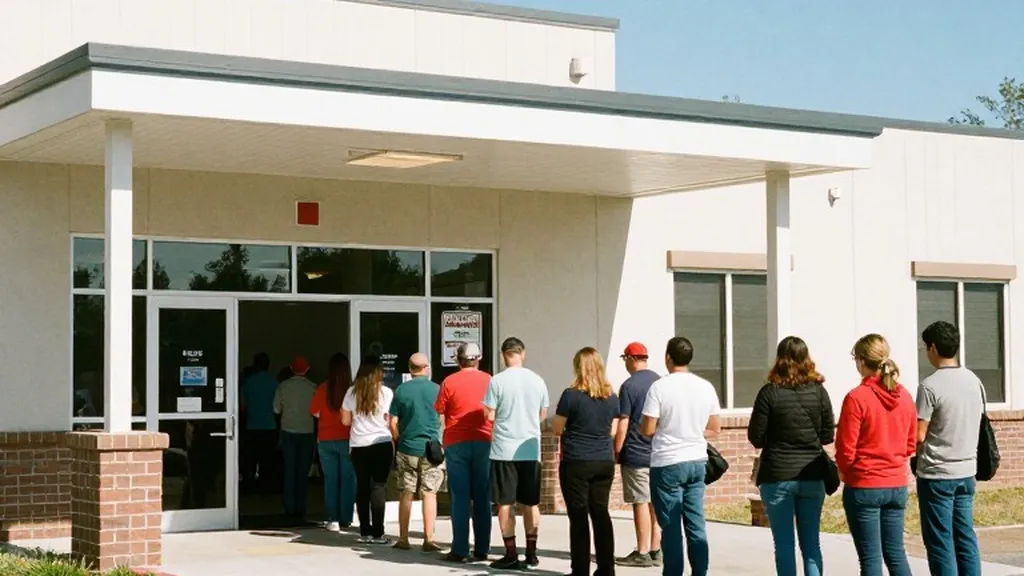
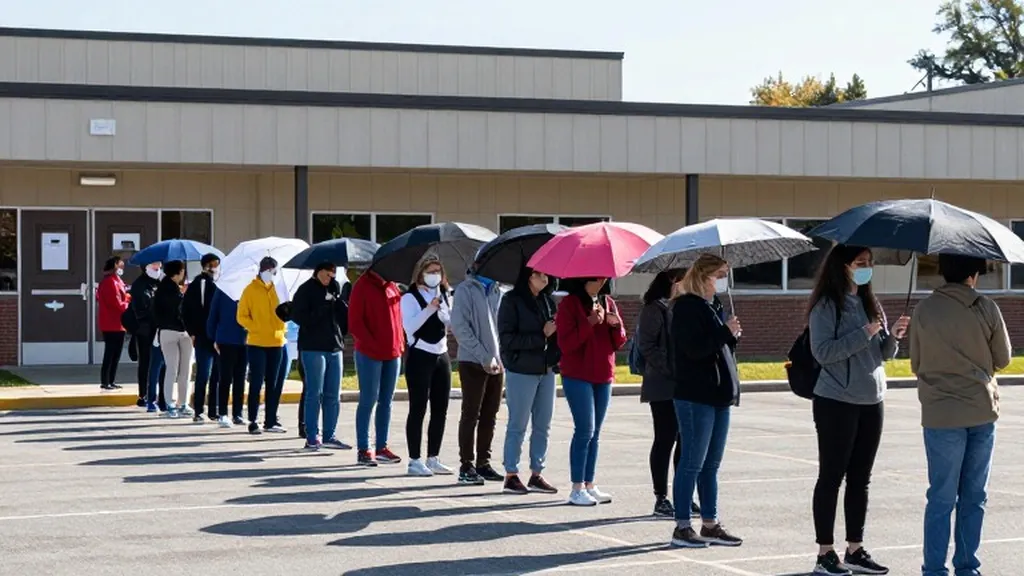
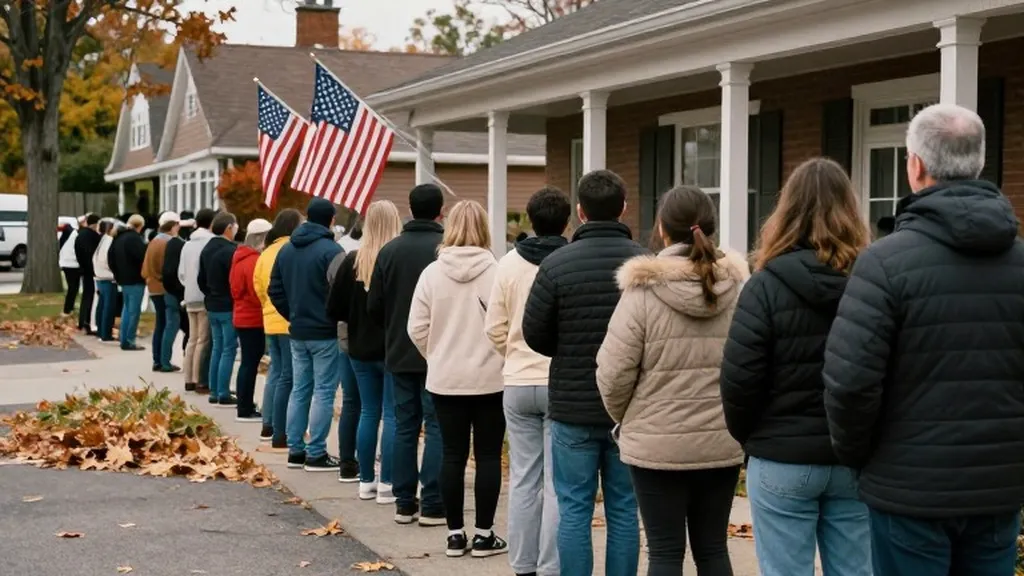
Election Day has arrived in the United States, with voters heading to the polls in a midterm contest that will determine the composition of Congress for the final two years of President Donald Trump's second term. The Associated Press describes the moment as a referendum on the administration's performance, with many voters citing high prices and the conflict with Iran as primary drivers. While the House race involves all 435 seats, the Senate contest focuses on 35 seats, including 33 regular elections and two special elections. Republicans currently hold 53 seats, while Democrats and two independents hold 45. To gain control, Democrats must win a net gain of four seats, whereas Republicans can afford to lose only two before ceding the majority.
The battleground landscape in the Senate is defined by a mix of incumbent defenses and open seats in states that voted for President Trump in 2024. In North Carolina, a state that Trump won by 3.3 points in the 2024 presidential race, the race is open following the retirement of Sen. Thom Tillis. The contest pits Democratic former Governor Roy Cooper against Michael Whatley, a former chair of the Republican National Committee. Tillis decided to step down after a public clash with the president, setting the stage for a decisive fight in a state that has become increasingly competitive.
In Georgia, the margin of victory for Trump in 2024 was just 2.2 points, making it a critical target for Democrats. Incumbent Senator Jon Ossoff faces a challenge from Republican Representative Mike Collins. This race is viewed by analysts as a key indicator of the party's strength in the South. Meanwhile, in Ohio, the special election to fill the seat of Vice President JD Vance features a rematch between Republican Senator Jon Husted and Democratic former Senator Sherrod Brown. The state voted for Trump by 11.2 points in 2024, but the Senate race remains a focal point for both parties.
Michigan presents a different dynamic, with the seat of retiring Senator Gary Peters open for the taking. The state voted for Trump by a narrow 1.4 points in the 2024 election. The race features Republican former Representative Mike Rogers against Democrat Abdul El-Sayed. In a notable development on Sunday, Haley Stevens, who was El-Sayed's primary opponent, endorsed Rogers, potentially shifting the momentum in a state that is rated as a toss-up to lean Democratic. The AP notes that economic strain and tariffs have made the state competitive for the Senate race.
Texas, a state where Trump won by 13.6 points in 2024, is hosting a high-profile Senate contest. Republican Attorney General Ken Paxton, whom Trump backed over incumbent John Cornyn in the primary, is facing Democrat James Talarico. The presence of the president's endorsement adds a layer of national attention to the race. In Maine, the most competitive of the states on the list according to all four major ratings systems, Senator Susan Collins is running for reelection against Democratic former State Senate President Troy Jackson. The state voted for Kamala Harris by 6.9 points in 2024, and the AP highlights that economic concerns have made this traditionally Republican-leaning state a true toss-up.
New Hampshire, which voted for Harris by 2.8 points in 2024, is holding an open seat following the retirement of Senator Jeanne Shaheen. The race is between Democratic Representative Chris Pappas and former Republican Senator John E. Sununu. This contest is significant because it involves a prominent Republican figure defending the party's colors in a state that has leaned Democratic in recent presidential elections. In Minnesota, the seat of retiring Senator Tina Smith is up for grabs in a multi-candidate field. Democratic Lieutenant Governor Peggy Flanagan and Republican Michele Tafoya, a former sports broadcaster, are among the four candidates vying for the position in a state that is closely watched for its impact on the overall Senate count.
Kansas has emerged as a central battleground in the fight for Senate control, despite its reputation as a reliably Republican state. The state voted for Trump by 16.2 points in 2024, yet it is now seen as a pivotal race. Incumbent Senator Roger Marshall is seeking reelection in a contest that has drawn significant attention from national observers. In Alaska, the Trump administration has filed a lawsuit related to the certification of the Senate result, adding a legal dimension to the race. The state is currently rated as a toss-up to lean Democratic, a surprising shift for a state that Trump won by 13.1 points in 2024.
The mood among voters is shaped by economic realities and political alignment. According to AP-NORC polling, 35 percent of U.S. adults approve of President Trump's job performance, while 25 percent approve of his handling of the economy. About seven in ten say the country is heading in the wrong direction. More than 57 million people had already voted as of Monday, surpassing early vote totals from four years ago in many closely watched states. RNC Chairman Joe Gruters emphasized that everything depends on turnout, stating that if Republicans turn out their voters, they win. Conversely, DCCC Chair Rep. Suzan DelBene noted that the American people are angry and want change.
The financial scale of the 2026 elections is set to be the largest in history, with Republican committees outraising and outspending their Democratic counterparts at the committee level, aided by Trump-affiliated groups. However, Democrats outraised their opponents at the candidate level. A significant portion of Republican general election TV ad spending, 88.1 percent, went to states and districts that Trump won in 2024. Voter Mark Barker of Palm Beach Gardens, Florida, expressed support for the president, saying he thinks Trump is doing an awesome job. In contrast, James Moore, a librarian in Raleigh, North Carolina, cited higher taxes and healthcare costs as reasons for his vote.