Trump rallies in Kansas as approval lags at 35%
With polls open, the president urges supporters to treat him as a candidate while Republican leaders navigate a mixed message of high spending and low approval ratings.
By Ayanda Kaminski ·
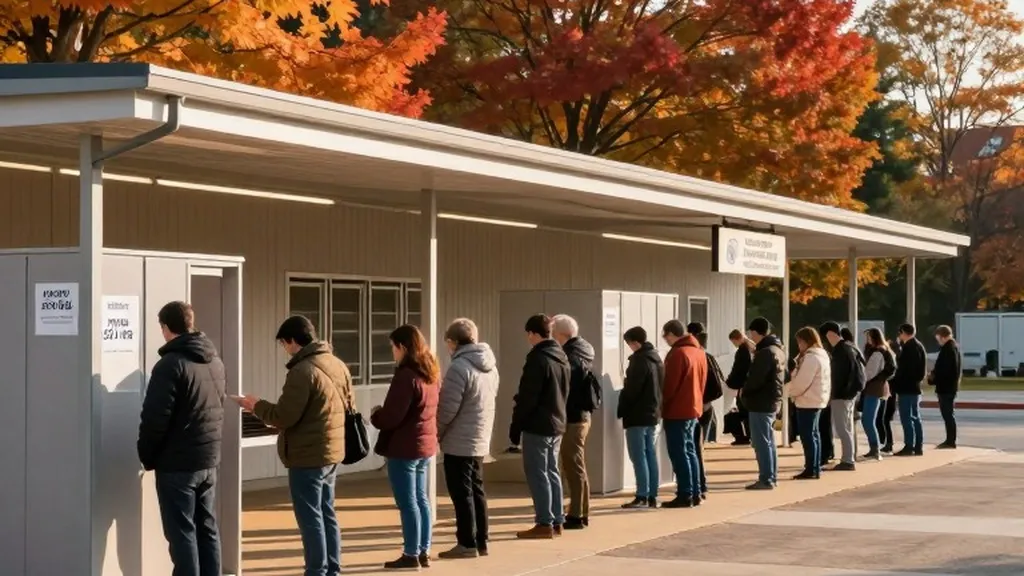
Voters across the United States are casting ballots on Tuesday in a midterm election that will determine the balance of power in Congress for the final two years of President Donald Trump's second term. The Associated Press describes the day as a referendum on the administration's performance, noting that many citizens are struggling with high prices and are angry over an unpopular war with Iran. The outcome of this election will set the legislative landscape for the remainder of the president's term, with the stakes extending well beyond simple party control.
According to AP-NORC polling conducted in the days leading up to the election, 35 percent of U.S. adults approve of President Trump's job performance. This approval rating is a significant drop from the levels seen in previous years and reflects a broader sentiment of economic anxiety. Furthermore, only 25 percent of adults approve of his handling of the economy, a critical issue given that most respondents in the poll blamed the president for the rise in the cost of living. About seven in ten Americans say the country is heading in the wrong direction, a statistic that has weighed heavily on the campaign strategies of both parties.
Despite the modest approval numbers, President Trump has been an active presence in the final days of the campaign. He held dozens of rallies across the country, ending his recent schedule on Sunday in Salina, Kansas. At that event, the president told the crowd that he really wanted them to pretend he was on the ballot. His schedule included stops in Mississippi, South Carolina, and Texas, where he sought to energize the base before the polls opened. However, many Republican candidates kept their distance from the president, a strategic decision intended to appeal to independent voters and moderate Republicans who are wary of the administration's recent controversies.
The disconnect between the president's popularity and the approval of his economic management is a central theme of this election. Republicans were bracing to lose the House and fighting to hold the Senate, with the Associated Press noting that one or two seats could tip either chamber. Democrats, meanwhile, were described as cautiously optimistic. The party is looking to capitalize on voter frustration with the cost of healthcare and taxes, issues that were frequently cited by voters in early interviews. The midterm pattern, which historically sees a president's party lose seats, is being tested by the administration's aggressive use of redistricting and campaign spending.
Money has played a significant role in shaping the race. The 2026 elections are likely to be the most expensive in history, with Republican committees outraising and outspending their Democratic counterparts. This advantage was helped by Trump-affiliated groups and contributions from Elon Musk. At the candidate level, however, Democrats outraised their opponents. An analysis of AdImpact data by the Associated Press shows that 88.1 percent of Republican general election television ad spending went to states and districts that Trump won in 2024. This includes more than 850 million dollars spent in areas where the president won by ten points or more, a strategy that prioritizes defense of existing strongholds over flipping competitive districts.
The president has continued to make false claims about voting fraud, including statements that noncitizens vote in large numbers. His administration has sued in Alaska and California, and Democrats have expressed fear of interference and intimidation as the Justice Department threatens to prosecute local election officials. A federal judge temporarily barred the administration from carrying out a plan to prevent noncitizen voting on Monday, a move that critics say risks disenfranchising eligible voters. In California, a judge ordered the administration to stop demanding that election officials segregate ballots cast by people on lists of suspected noncitizens. These legal battles have added a layer of complexity to an already high-stakes election day.
Turnout remains the most critical variable for both parties. RNC Chairman Joe Gruters stated that everything depends on turnout, asserting that if they turn out their voters, they win. Conversely, DCCC Chair Rep. Suzan DelBene said that the American people are angry and want change. More than 57 million people had already voted as of Monday, surpassing the early vote total of four years ago in many closely watched states. This high level of early participation suggests that the final result will be closely contested, particularly in the 46 battleground districts identified by Ballotpedia. The number of votes cast in these districts could determine which party controls the House of Representatives.
The Senate race is equally tight, with 35 seats up for election. Democrats need a net gain of four seats to achieve a majority, while Republicans can lose only two. Key matchups in states such as North Carolina, Georgia, and Ohio will be decisive. In North Carolina, former Governor Roy Cooper faces former RNC chair Michael Whatley. In Georgia, Senator Jon Ossoff is running against Representative Mike Collins. These races are being watched closely because they involve states where the 2024 presidential margins were relatively close. The outcome of these contests will influence the committee assignments and the legislative agenda for the next two years.
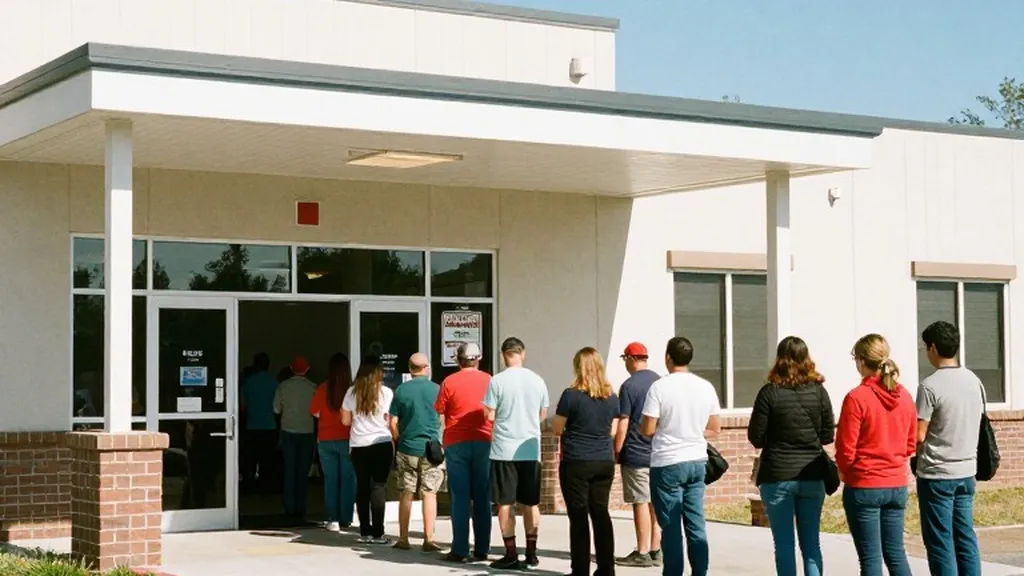
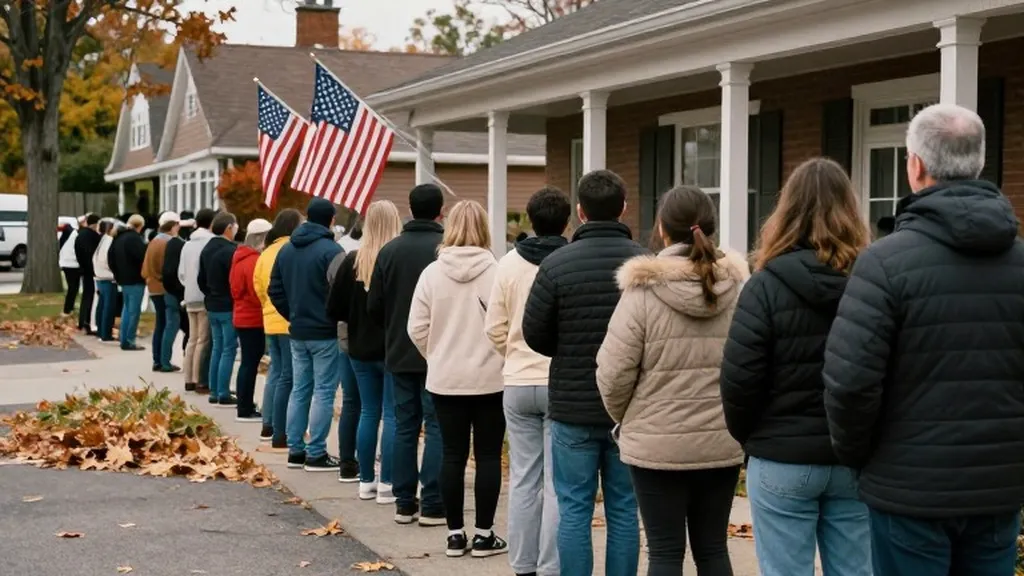
Voters are heading to polling places with a mix of hope and concern. Mark Barker of Palm Beach Gardens, Florida, said he has been following Trump the whole time and thinks he is doing an awesome job. James Moore, a 57-year-old librarian in Raleigh, North Carolina, cited higher taxes and healthcare costs as his primary reasons for voting. These individual stories reflect the broader national debate over the direction of the country. The U.S. Postal Service added hours and staff to ensure mail ballots are counted on time, a logistical effort that underscores the scale of the election. With polls open in all 50 states, the final tally will reveal whether the president's party can defy the midterm tradition or if the voters will demand a change in direction.