850 Million and 88.1 Percent: How Money Is Shaping the 2026 Midterms
Republican committees outspent Democrats at the committee level, but the data shows a complex split in funding that favors Democratic candidates at the individual level.
By Natalie Castro ·
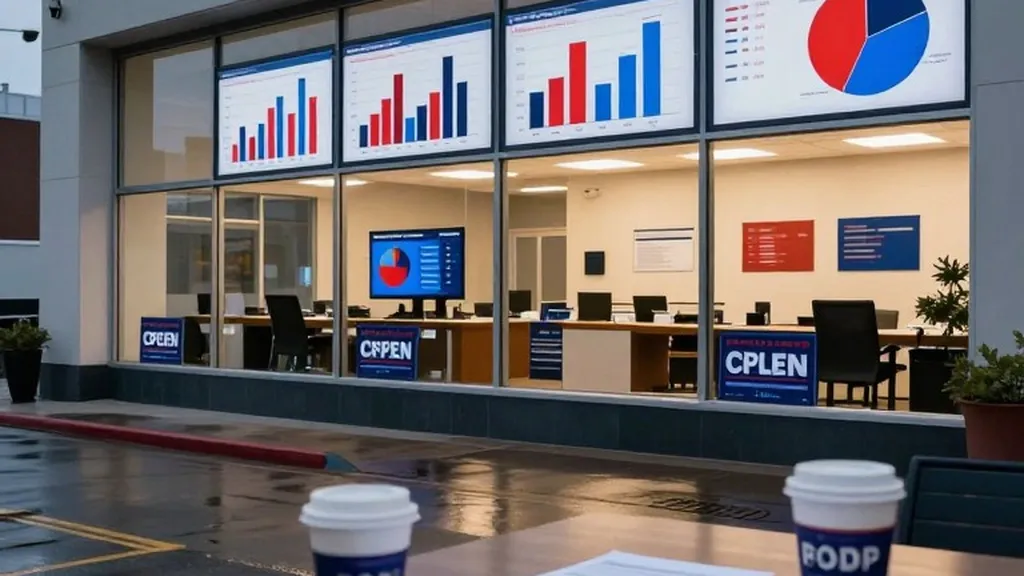
The 2026 midterm election is poised to become the most expensive in history, with financial flows revealing a distinct split in how resources are deployed. According to an analysis of AdImpact data by the Associated Press, the spending patterns highlight a strategic divergence between party committees and individual candidates. This financial landscape is unfolding as more than 57 million people have already cast their ballots, surpassing early vote totals from four years ago in many closely watched states.
Republican committees have outraised and outspent their Democratic counterparts at the organizational level. This advantage was bolstered by contributions from Trump-affiliated groups and significant donations from Elon Musk. The Associated Press notes that this committee-level edge has allowed Republican organizations to dominate the airwaves in specific geographic areas. The strategy appears focused on consolidating support in districts where the president has strong name recognition.
However, the picture changes when examining individual candidate fundraising. At the candidate level, Democrats have outraised their Republican opponents. This dynamic suggests that while the party machines are spending heavily, individual Democratic contenders are securing robust personal fundraising bases. This split in financial power creates a complex battlefield where committee ads may clash with candidate-specific messaging in key districts.
The Associated Press analysis highlights a specific concentration of Republican spending. Eighty-eight point one percent of Republican general election television advertising went to states and districts that Donald Trump won in 2024. This indicates a strategy of reinforcing the party's base in areas where the president performed well. The data shows that more than 850 million dollars were spent in districts where Trump won by ten points or more.
This heavy investment in safe Republican districts contrasts with the Democratic approach. Democrats, who are cautiously optimistic despite bracing for potential losses in the House, have focused their candidate-level fundraising on competitive areas. The Associated Press reports that Republicans were fighting to hold the Senate while bracing to lose the House. The financial data suggests both parties are hedging their bets, with Republicans pouring money into strongholds and Democrats building individual campaign war chests in battlegrounds.
The cost of this election is significant, with the total expenditure expected to break historical records. The Associated Press describes the election as a referendum on Trump's second term, with voters struggling with high prices. The financial intensity of the campaign mirrors the economic anxieties driving voter behavior. More than 57 million early votes have been cast, indicating high engagement that the money is designed to influence.
Elon Musk's involvement has been a notable factor in the Republican committee spending. His contributions have helped bridge the gap in organizational fundraising. Meanwhile, Democratic candidates have relied on a broader base of individual donors to secure their leads at the candidate level. This dual-track funding model means that voters in the same district may see vastly different amounts of advertising depending on whether it is from a party committee or a specific candidate.
The 850 million dollar figure spent in districts where Trump won by ten points or more underscores the Republican focus on defense. The Associated Press notes that Republicans can lose no more than two House seats to maintain a majority. This financial strategy aims to ensure high turnout in these critical areas. The concentration of resources in these zones suggests a belief that holding the base is the most efficient use of funds given the current political climate.
Democrats, needing a net gain of three districts for a House majority, have targeted their candidate fundraising accordingly. The Associated Press reports that 60 House incumbents did not run again, creating open seats that require significant financial investment. Democratic candidates have outraised their opponents in these competitive races. This financial edge at the candidate level provides a counterbalance to the Republican committee spending advantage.
The final two years of President Trump's term will be shaped by the outcome of these financial battles. The Associated Press notes that if Democrats win even one chamber, investigations and possible impeachment proceedings become likely. The money spent in this election will have a lasting impact on the legislative agenda. As polls remain open, the 88.1 percent figure and the 850 million dollar total serve as key indicators of the strategic priorities driving the most expensive election in history.