Johnson's Warning of 'Chaos' Now Defines Democratic Majority
Speaker Mike Johnson predicted a two-year struggle against socialist forces, but Democrats have secured a 233-seat House majority and a Senate win that upends his forecast.
By Natalie Castro ·
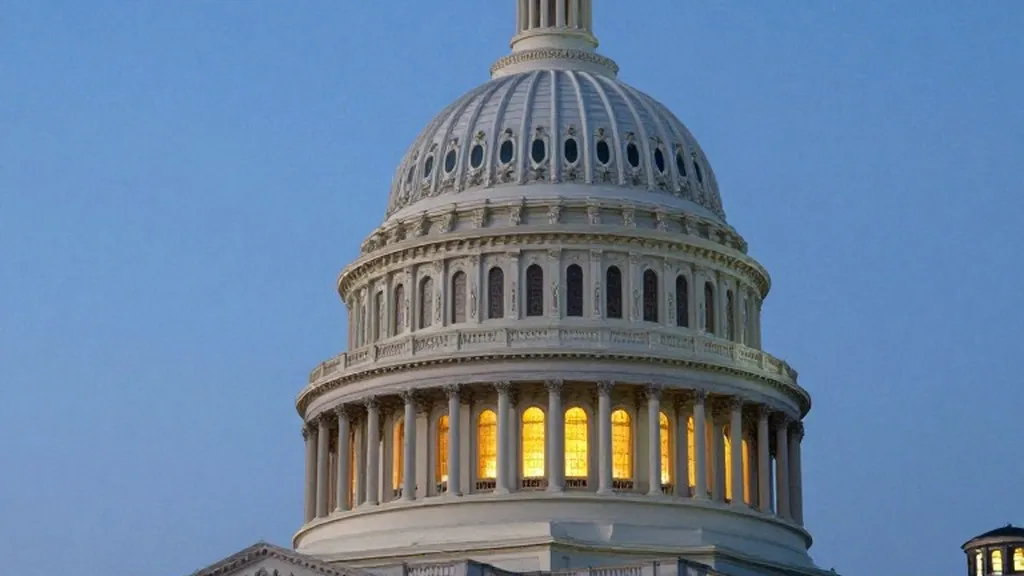
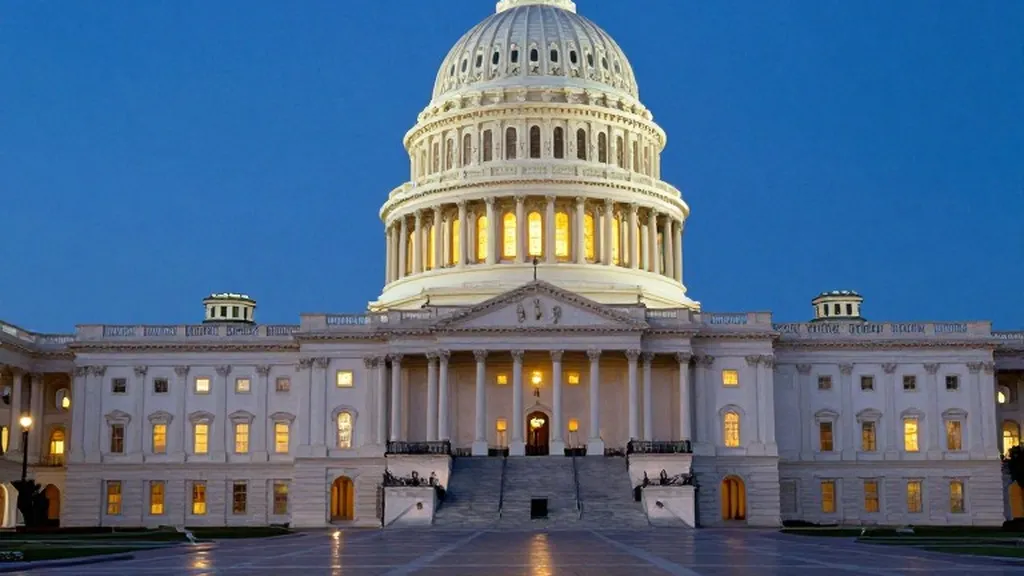
House Speaker Mike Johnson will not seek reelection as the House Republican leader, according to two people familiar with his plans, ending a three-year tenure defined by a narrow majority and a aggressive warning about what a Democratic Congress would mean. Johnson’s final months in office were marked by a campaign to portray the opposition as a harbinger of national disorder, a narrative that now frames the incoming Democratic leadership.
In a USA Today op-ed published on October 30, 2026, Johnson argued that a narrow Democratic House would be held hostage by the Democratic Socialists of America. He cited strategist James Carville’s admission that he would prefer Republicans keep the House rather than see Democrats win by five, because the party would be a hostage to the DSA. Johnson wrote that even a slight Democratic victory would cede unprecedented power to a growing socialist cadre.
Johnson pointed to France as a preview of this path, describing violent riots, looting, and the torching of a historic town hall in Limoges as a dark harbinger of what could happen in the United States. He attributed the French crisis to decades of misguided policy choices, including lax immigration enforcement and government largesse that drove debt to 119% of GDP. For Johnson, the chaos unfolding in France served as a warning against the progressive utopia promised by the DSA.
On Fox News, Johnson reinforced this message with more direct language. On The Ingraham Angle, he stated that it will be chaos every day for two years in the next Congress if Democrats take control. He described the incoming group as angry Democrats seeking retribution against President Trump and his administration, promising they would try to open the borders and repeal the Working Families Tax Cut. He urged voters to remember that in 2024, ten House races were decided by 6,000 votes or less, making every vote critical in a contrast election between common sense and crazy.
Despite the warnings, Johnson and his colleagues emphasized the record of the 119th Congress. Johnson noted that Republicans delivered the largest tax cut in U.S. history, secured the border, and returned to American energy dominance. He claimed that Democrats voted against these measures, leaving voters to look at record over rhetoric. The House Republican leadership highlighted an average $10,900 boost in take-home pay for a family of four and the creation of the first-ever nationwide school choice program.
The Republican majority also pointed to significant spending cuts and economic growth. Johnson’s office stated that House Republicans cut $1.6 trillion in wasteful federal spending and added more than one million private sector jobs. They credited pro-growth policies with reshoring American manufacturing and achieving record stock market indexes. These achievements were presented as evidence that the slimmest House majority since the Great Depression could still deliver historic results.
The election results have now rendered Johnson’s predictions of a narrow and chaotic opposition moot. According to Ballotpedia, Democrats won 233 seats in the U.S. House, a net gain of 30 seats, while Republicans won 138. In the Senate, Democrats won 20 seats and Republicans won 13, with seven seats changing party control to the Democrats. This gives Democrats a clear majority in both chambers, far exceeding the narrow margin Johnson warned would lead to DSA dominance.
The Associated Press reported that the results set up a divided government, with Congress poised to reassert itself as a coequal branch. House Democratic Leader Hakeem Jeffries, who is expected to become the first Black speaker of the House, told supporters that Democrats hear the call for dramatic change. He promised to work hard to deliver on the mandate, a direct response to the retribution narrative Johnson outlined in his campaign remarks.
Democrats are already outlining a 100-day agenda that includes efforts to lower the costs of gas, groceries, and other goods. They plan to reverse cuts to the Affordable Care Act and Medicaid healthcare programs, directly addressing the economic concerns that Johnson said would be overshadowed by political fights. The top Democrat on the House Oversight Committee, Rep. Robert Garcia, issued a brief warning to the administration: Lawyer up.
The shift in power also impacts state-level politics, where Democrats gained control of at least five states where they previously shared power. In Texas, Democrats took control of the state House for the first time since 2002, a historic win that underscores the breadth of the Democratic surge. This state-level power adds to the federal majority, creating a comprehensive platform for the legislative agenda Johnson warned would be chaotic.
As the new Congress prepares to convene on January 3, 2027, the focus turns to whether the incoming Democrats can navigate the veto power of President Trump. Trump has warned of gridlock and threatened to use his veto to strike down the Democratic agenda. The contrast between Johnson’s prediction of daily chaos and the Democratic promise of rapid delivery will define the first year of the 119th Congress's successor.