Voters Hand Democrats Control of Congress and 20 Senate Seats in Historic Midterm Sweep
A wave of dissatisfaction over the economy and the Iran war drove a decisive shift in power, leaving Republicans with a slim House minority and a new Democratic majority in the Senate.
By Ayanda Kaminski ·
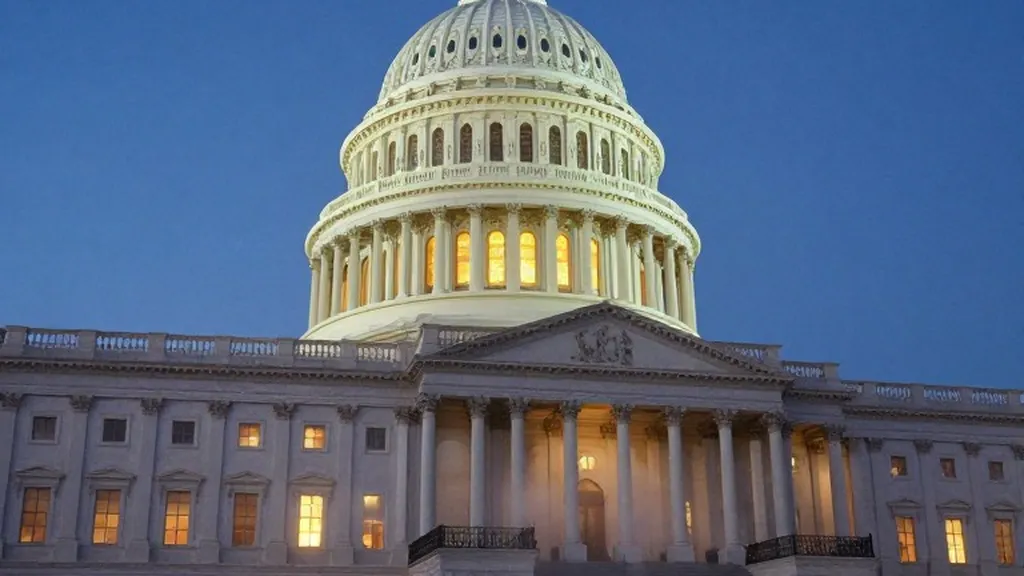
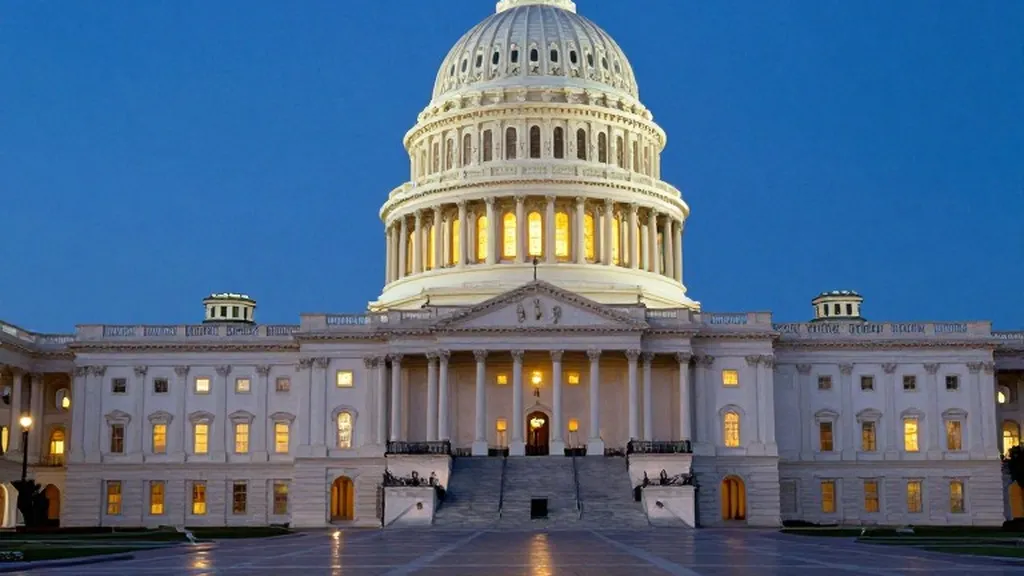
WASHINGTON (AP) The 2026 midterm elections concluded with a decisive reshaping of the American political map, as voters across the nation handed control of both chambers of Congress to the Democratic Party. According to results compiled by Ballotpedia, Democrats secured 20 of the 35 U.S. Senate seats up for election, while Republicans won 13, with two races remaining uncalled as of the latest updates. This outcome marks a significant reversal from the previous cycle, where Republicans held a 53-47 majority in the Senate. The Associated Press noted that this shift was driven by widespread voter frustration over rising living costs, high gas prices, and the ongoing war in Iran.
In the U.S. House of Representatives, the Democratic surge was even more pronounced. Ballotpedia data indicates that Democrats won 233 of the 435 seats, compared to 138 for Republicans, with 64 races still undecided. This net gain of at least 30 seats for Democrats represents one of the largest midterm shifts in recent history. The Associated Press reported that this victory sets up a divided government for the coming two years, with Congress poised to reassert itself as a coequal branch ready to challenge President Donald Trump and reverse course after two years of unified Republican control. House Democratic Leader Hakeem Jeffries is expected to become the first Black speaker of the House when the new Congress convenes on January 3, 2027.
President Donald Trump offered a conciliatory tone in the immediate aftermath, suggesting he could work with the new Democratic majority while also warning of potential gridlock. In an interview with Politico, Trump stated, "I don't want to be just sitting there for two years vetoing everything." He acknowledged the role of the Iran war in the party's losses but maintained that voters simply did not like the specific candidates on the ballot. The AP Voter Poll indicated that about two-thirds of voters felt Trump did not have the right priorities during the campaign, a sentiment that likely contributed to the party's performance. Only four in ten voters nationwide approved of how Trump was handling the presidency, according to the same poll.
The election results reflect a broader national mood of dissatisfaction. The AP Voter Poll found that about three-quarters of voters felt angry or dissatisfied with the country's current trajectory. Economic concerns were paramount, with three-quarters of respondents describing the economy as not so good or poor. Approximately eight in ten voters said inflation had caused moderate or severe financial hardship for their households, making it harder to afford basic essentials like gas and groceries. These kitchen-table issues dominated the campaign narrative, overshadowing other topics such as immigration enforcement and artificial intelligence data centers.
Republicans lost most of the Democratic-held seats they had targeted for flipping through a mid-decade redistricting effort urged by President Trump. The AP reported that the redistricting plan fell flat in key states including Alabama, Florida, and Texas. In Texas, for instance, Republicans reconfigured districts in the Rio Grande Valley to boost their chances, but Democrats retained those seats and even unseated a Republican incumbent. Former Attorney General Eric Holder, chair of the National Democratic Redistricting Committee, stated that the Republican redistricting plan was systematically dismantled by voters who chose to elect a new Democratic majority.
The shift in power was not limited to federal offices. Democrats also made sweeping gains in state governments, taking full control of both legislative chambers and the governor's office in at least five states where they previously shared power. In Texas, Democrats took control of the state House for the first time since 2002 and elected Gina Hinojosa as their first Democratic governor since 1994. Ballotpedia confirmed that Democrats won 22 of the 36 gubernatorial races, with five states changing party control from Republican to Democratic. These state-level victories will allow Democrats to shape policies affecting everyday lives, including tax rates, education funding, and housing regulations.
The election also saw a significant increase in voter turnout, with more than 59 million people casting ballots before the polls closed on Tuesday, according to an Associated Press analysis. This figure surpassed early-voter turnout from the 2022 midterms. The high participation rate was particularly notable in red states, where a majority of voters expressed at least dissatisfaction with the country's direction. This broad coalition of disaffected voters helped drive the Democratic gains in traditionally Republican-leaning areas, such as Kansas and South Carolina, where Democrats won Senate seats for the first time since 1932.
Vice President JD Vance publicly broke from President Trump's defense of the Iran war following the election, attempting to distance himself from the president's strategy. The war had been a major source of frustration for voters, with fuel prices soaring and contributing to overall inflation. The AP noted that concerns about the war and its economic impact helped Democrats win control of both chambers of Congress. This internal Republican disagreement highlights the challenges the party faces as it looks to regroup and prepare for the next election cycle, with many members blaming the president's focus on other issues, such as the construction of a White House ballroom.
The new Democratic leadership has already outlined a 100-day agenda focused on lowering the costs of gas, groceries, and other goods. They also plan to launch a robust oversight agenda, with House Oversight Committee members hinting at potential investigations and subpoenas. Senator Ron Wyden, the top Democrat on the Senate Finance Committee, issued a one-word missive to his colleagues: Subpoenas. This aggressive stance signals an intent to hold the executive branch accountable and quickly deliver on the promises made to voters during the campaign.