Breaking: Election Day is here! Make your selections: The fight for congressional control
Voters across the nation are deciding the fate of President Trump's second term as all House seats, 35 Senate seats, and 36 governorships go on the ballot.
By Sophie Costa ·
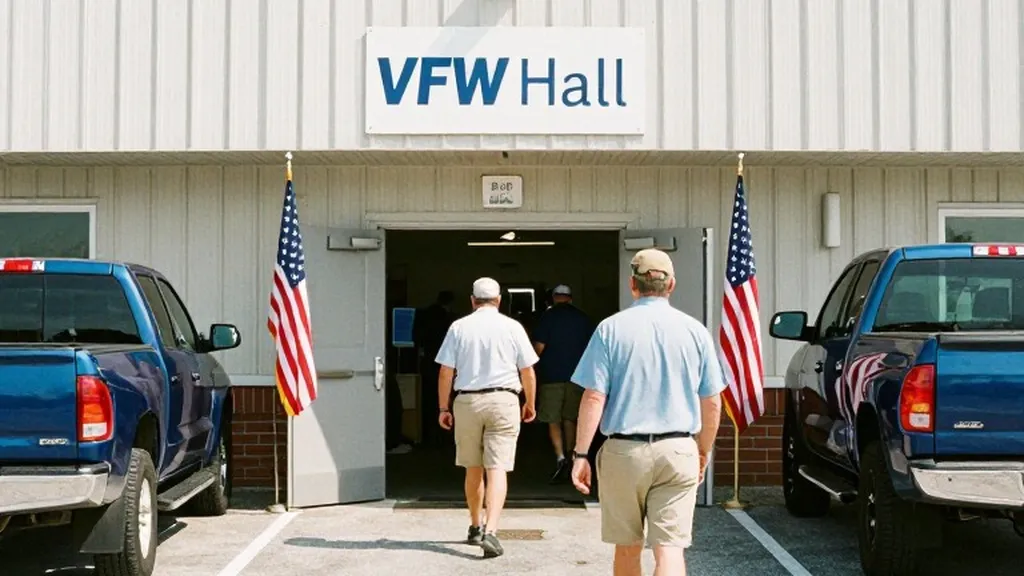
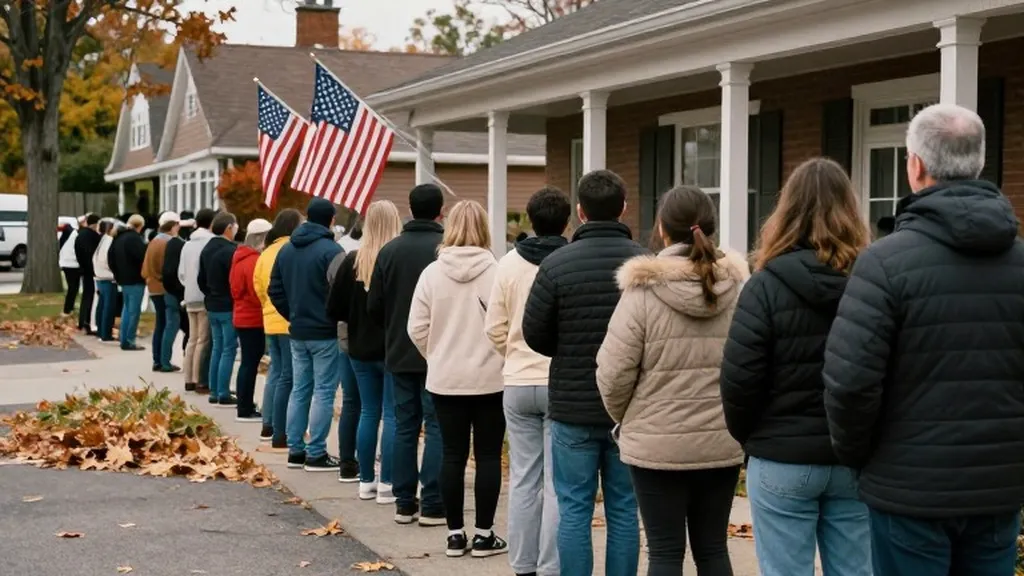
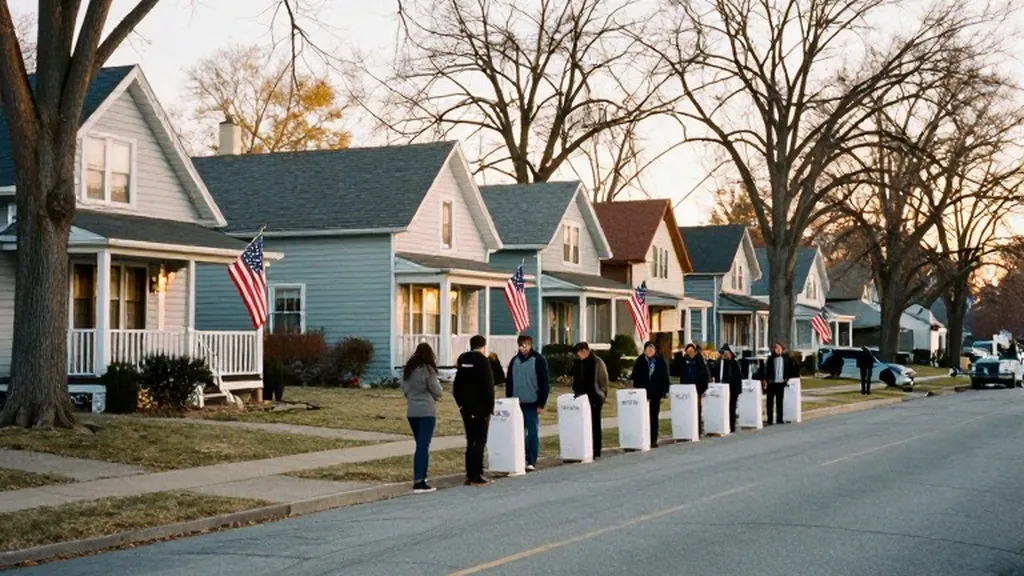
Today, Tuesday, November 3, 2026, marks the midterm election, a critical juncture halfway through President Donald Trump's second term. According to Ballotpedia and USA.gov, the results of this day will determine which party controls Congress for the president's final two years. The stakes are high, with all 435 seats in the U.S. House of Representatives up for grabs. Currently, Republicans hold 218 seats and Democrats hold 214, with one independent and several vacancies. Democrats need a net gain of three districts to secure a majority, while Republicans can afford to lose no more than two seats. In the U.S. Senate, 35 of 100 seats are contested, including 33 regular elections and two special elections for the remaining terms of Marco Rubio in Florida and JD Vance in Ohio. Republicans currently hold 53 Senate seats, while Democrats hold 45, plus two independents who caucus with the Democratic party. Democrats require a net gain of four seats to take control, meaning Republicans can only lose two. Additionally, 36 governorships are on the ballot, with Republicans currently holding 26 offices and Democrats holding 24. Heading into the vote, each party holds 18 of the contested governorships.
The political landscape is defined by significant redistricting in several states. Six states are using new congressional maps following mid-decade redistricting: California, Florida, Missouri, North Carolina, Tennessee, and Texas. Ohio is also utilizing a new map for its elections. Ballotpedia has identified 46 battleground districts in the House, with 25 currently held by Democrats and 21 by Republicans. Notably, 21 districts held by Democrats voted for President Trump in 2024, while nine districts held by Republicans voted for Kamala Harris. In the Senate, Ballotpedia lists 13 races as battlegrounds, including contests in Alaska, Florida, Georgia, Iowa, Kansas, Maine, Michigan, Montana, Nebraska, New Hampshire, North Carolina, Ohio, and Texas. These races will be closely watched as they could tip the balance of power in either chamber.
According to the Associated Press, the election is being viewed as a referendum on President Trump's second term, with many voters grappling with high prices and expressing anger over an unpopular war with Iran. AP-NORC polling indicates that 35 percent of U.S. adults approve of Trump's job performance, while 25 percent approve of his handling of the economy. Approximately seven in ten adults say the country is heading in the wrong direction, with most blaming the president for high prices. Despite these polling numbers, which are one measure among many, Republican leaders remain focused on voter turnout. RNC Chairman Joe Gruters stated, "Everything depends on turnout. If we turn out our voters, we win, and that's what we've been planning for." This sentiment echoes the strategy of many Republican campaigns, which are working to mobilize their base in key districts and states.
President Trump has been actively campaigning, holding dozens of rallies in the lead-up to Election Day. His schedule included stops in Mississippi, South Carolina, and Texas, with his final rally on Sunday in Salina, Kansas. At that event, Trump told the crowd, "I really want you to pretend I'm on the ballot." His message of unity and economic strength resonates with many voters, such as Mark Barker of Palm Beach Gardens, Florida, who said, "I've just been following Trump the whole time. I really think he's doing an awesome job." Barker's comments reflect the enthusiasm among some Republican voters who see the president as a stabilizing force in a turbulent political environment. The president's presence on the campaign trail has been a central theme for Republican candidates, who are looking to leverage his name recognition and approval ratings to secure victories.
The economy remains a central issue for many voters, particularly those in swing districts. James Moore, a 57-year-old librarian in Raleigh, North Carolina, expressed his concerns about the cost of living, stating, "I'm paying more taxes. I'm paying more for my healthcare. I'm paying more for everything." Moore's comments highlight the economic strain that has affected many households across the country. The Associated Press notes that economic anxiety is a driving force for both parties, with Democrats emphasizing the need for change and Republicans focusing on the benefits of the current administration. The fight for the House and Senate is not just about ideology but also about the tangible impact of economic policies on everyday life. Voters are weighing these factors as they head to the polls today.
In the Senate, several key matchups are drawing national attention. In North Carolina, Democratic former Governor Roy Cooper is facing Michael Whatley, the former Republican National Committee chair, for the seat of retiring Senator Thom Tillis. In Georgia, Senator Jon Ossoff is defending his seat against Republican Representative Mike Collins. In Ohio, Democratic former Senator Sherrod Brown is challenging Republican Senator Jon Husted. In Michigan, Republican former Representative Mike Rogers is running against Democrat Abdul El-Sayed, with El-Sayed's former primary opponent Haley Stevens endorsing Rogers on Sunday. In Texas, Republican Attorney General Ken Paxton, who received President Trump's backing in the primary, is facing Democrat James Talarico. In Maine, Senator Susan Collins is defending her seat against Democratic former State Senate President Troy Jackson, with the Associated Press noting that economic strain and tariffs have made the state competitive. These races are critical for determining which party will control the Senate in the coming years.
The governor's races are also intense, with Democrats defending five governorships in states that President Trump won in 2024: Arizona, Kansas, Michigan, Pennsylvania, and Wisconsin. Republicans are defending two governorships in states that Kamala Harris won: New Hampshire and Vermont. In Georgia, Republican health care executive Rick Jackson is facing Democratic former Atlanta Mayor Keisha Lance Bottoms to succeed Brian Kemp. In Nevada, Republican Governor Joe Lombardo is challenging Democratic Attorney General Aaron Ford. In Ohio, Republican Vivek Ramaswamy is facing Democrat Amy Acton, with Ramaswamy's campaign facing some backlash over an ad featuring Acton's estranged mother. The Associated Press describes the governor races in Texas, Florida, and Iowa as competitive. Democrats are hoping to hold a majority of governorships for the first time in two decades, a goal that would significantly impact their legislative agenda and influence over state policies.
The 2026 elections are likely to be the most expensive in history, with Republican committees out-raising and out-spending Democratic committees. This spending surge has been helped by Trump-affiliated groups and Elon Musk. However, at the candidate level, Democrats have out-raised their opponents. According to AP analysis of AdImpact data, 88.1 percent of Republican general election TV ad spending went to states and districts that President Trump won in 2024, including more than $850 million in areas where he won by 10 points or more. This strategic allocation of resources reflects the Republican focus on solidifying their base in strong Republican areas while also competing in swing districts. The financial intensity of this election underscores the importance of every vote and the high stakes involved in determining the future of American governance.
Voters are also navigating some legal and administrative challenges on Election Day. A federal judge temporarily barred the Trump administration from carrying out a plan to prevent noncitizen voting, a move that critics say risks disenfranchising eligible voters and infringes on states' authority over elections. Additionally, a judge ordered the administration to stop demanding that California election officials segregate ballots cast by people on its lists of suspected noncitizens. The U.S. Postal Service has added hours, staff, and special lines to ensure that mail ballots are counted on time. These measures are part of a broader effort to ensure that the election runs smoothly and that every eligible voter's ballot is counted. Wall Street is also watching the results closely, as Reuters notes that the outcomes could add to investor concerns about AI spending and debt ceiling negotiations.