Netanyahu Leads Eisenkot in Tight Israel Vote
With turnout at 77%, the highest in 20 years, the race for the 61-seat majority remains unresolved as counts extend into Thursday.
By Natalie Castro ·
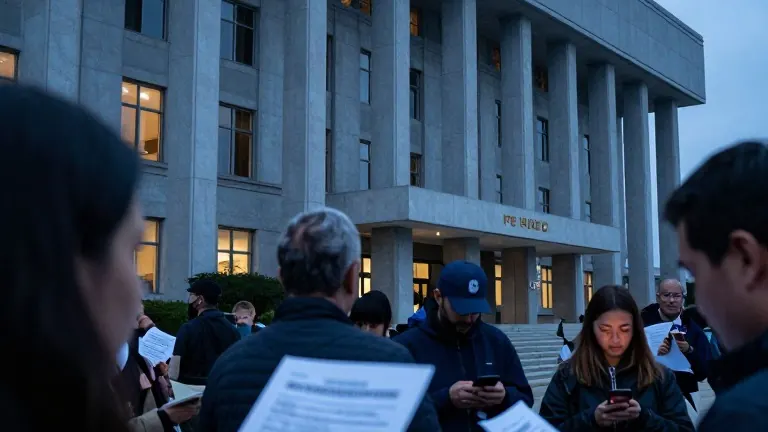
Jerusalem’s election night atmosphere on Tuesday evening featured large screens playing footage of military airstrikes and diplomatic handshakes. Prime Minister Benjamin Netanyahu and his challenger Gadi Eisenkot each addressed supporters and claimed victory before the final numbers were in. The official tally on Wednesday morning showed Netanyahu ahead of Eisenkot, but the margin was too small to declare a winner.
Eisenkot, a former military chief of staff, told his base, "We made history! The public has voted for change." His Yashar party sits in the political center and moderate right. Netanyahu countered that his right-wing bloc had a clear majority among the Zionist public. Despite these early claims, the opposition groups combined held more votes than Netanyahu’s alliance, a result driven by strong performance from Arab-led factions.
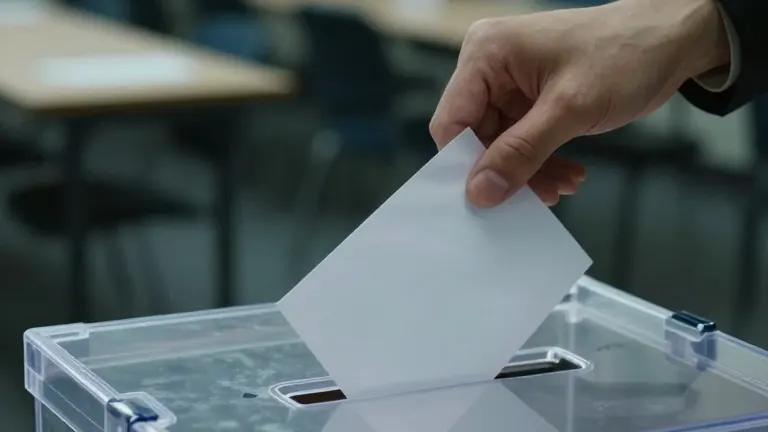
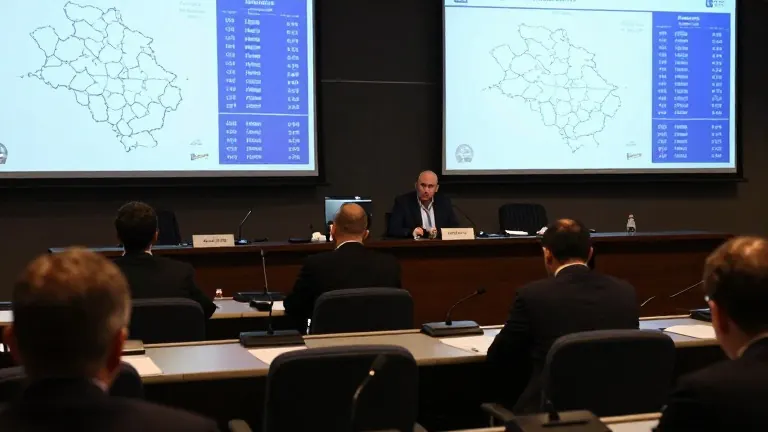
Election officials reported a voter turnout of more than 77%, the highest figure in over two decades. Tens of thousands of expatriates returned to cast ballots in the first election since the October 7, 2023, attack by Hamas. The vote count is expected to continue through Thursday afternoon, including ballots from soldiers serving in the field.
Forming a government requires a coalition of at least 61 seats in the 120-member Knesset. No single party has ever won an outright majority in Israel’s parliamentary system. The two Arab-led parties, the United Arab List and the Joint List, represent roughly 20% of the population and hold key bargaining power. Both Netanyahu and Eisenkot have historically resisted partnering with them, though some in Eisenkot’s camp are pushing for cooperation to break the deadlock.
Yair Golan, leader of the Democrats party within Eisenkot’s bloc, argued on social media that the center-left coalition must stop fearing Arab partners. "We have no future here if we don't stop being afraid. And if we don't stop with the racism," Golan wrote. This stance reflects a split in the opposition between those who prioritize defeating Netanyahu and those who remain wary of Arab political leaders following the 2023 war.
The election occurred against the backdrop of a conflict that has killed more than 74,000 Palestinians in Gaza, according to the local Health Ministry. Netanyahu faces an international arrest warrant for alleged war crimes, while his supporters point to restored security in the region. President Donald Trump urged Israeli voters to reelect Netanyahu to finish the job started in Gaza. In a July 2025 poll, 67% of Israelis said they were not very troubled by the suffering in Gaza.
If neither side secures 61 seats, Netanyahu will serve as caretaker prime minister until a repeat election next year. The six-week window to form a coalition begins once the final winner is determined. Negotiations are expected to be intense as parties trade policy promises for seats.
Source: WVIZ