Israeli Election Ends Without Clear Winner, Leaving Fate of Government Uncertain
Exit polls show neither Netanyahu nor rival Gadi Eisenkot secured the 61 seats required for a majority, triggering weeks of coalition negotiations.
By Sophie Costa ·
Israel’s national election concluded Tuesday with no decisive outcome, according to exit polls that indicate a fragmented parliament. Neither Prime Minister Benjamin Netanyahu nor his main challenger, Gadi Eisenkot, appears to have secured the 61 seats necessary to form a government in the 120-member Knesset.
The results suggest a period of intense political maneuvering before a new leader is declared. This vote serves as a direct referendum on Netanyahu’s management of the war following the Hamas-led attack on October 7, 2023. With no single party likely to win a majority, Israel faces weeks or potentially months of negotiations among roughly a dozen parties.
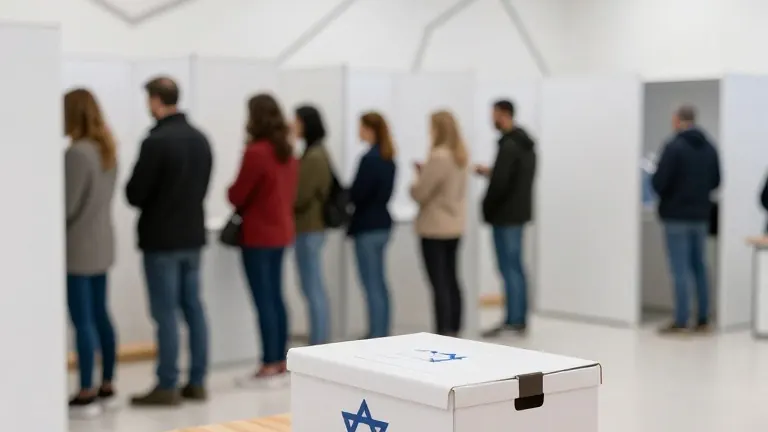
Three key developments emerged from the voting process and early results. First, voter turnout reached 74.3% by 8 p.m. local time, a figure eight percentage points higher than at the same hour in the 2022 election. The Central Elections Committee noted these figures represent the highest turnout recorded at that time since 1988. Second, the far-right Otzma Yehudit party faced shock as exit polls suggested its leader, Itamar Ben-Gvir, would secure only six or seven seats. This is a sharp decline from the 14 seats won by his bloc in the previous cycle. Third, polling stations closed at the scheduled 10 p.m. cutoff despite a request by Likud to extend voting hours. The committee rejected the extension, stating current circumstances did not justify the change.
The race to form a coalition will be complicated by the positions of smaller parties. The Joint List, representing Arab parties, campaigned on opposition to the war in Gaza and settlements in the West Bank. While these stances may alienate some Jewish-led parties, Joint List leaders indicated they could support an anti-Netanyahu government from outside the coalition if necessary. Osama Saadi, a former lawmaker, urged supporters to maintain high turnout to help unseat the veteran prime minister.
Eisenkot, a former military chief of staff who lost his son and two nephews in the Gaza war, framed the election as a choice between responsibility and evasion. He focused his campaign on the exemption of ultra-Orthodox men from military service, a policy Netanyahu’s government has upheld. Eisenkot urged voters to choose enlistment over draft evasion, directly challenging Netanyahu’s leadership during the conflict.
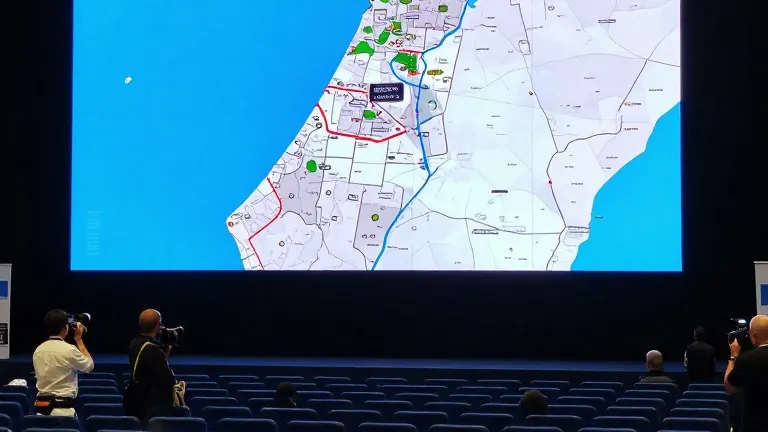
Netanyahu, who has served as prime minister for a cumulative total of nearly 15 years, framed the final hours of voting as a struggle for Israel’s future. In a video posted to social media, he appealed to voters to contact their families and neighbors to ensure they cast ballots. His campaign headquarters in Jerusalem remained relatively quiet in the hours before the polls closed, with journalists gathering in a convention center to await the results.
The high turnout reflects widespread engagement in the democratic process, despite inclement weather in some regions. Over 90,000 people visited national parks across the country on the holiday, according to the Nature and Parks Authority. In Tel Aviv, citizens gathered in cafes and parks, with many expressing a desire for political change. The election has ended, but the political battle to determine who will lead the country has only just begun.
Source: WDIV ClickOnDetroit