Netanyahu urges Trump for new Iran strikes after election loss
The Israeli leader seeks a quick air campaign to solidify his power following his party's midterm defeat, while Qatari mediators push for a diplomatic deal.
By Sophie Costa ·

Israeli Prime Minister Benjamin Netanyahu is seeking approval for a new series of U.S. military strikes on Iran in the days following Tuesday's midterm elections. Two regional officials and one other person familiar with the discussions said the prime minister is working to secure a decision before his government's political position weakens further. This push comes after Netanyahu and his far-right coalition lost their majority in the Knesset during last week's vote.
A return to full-scale conflict could allow Netanyahu to assemble an emergency cabinet. The Israeli leader aims to use a military victory to bolster his standing with a public still reeling from the Hamas attack of October 7, 2023. He raised the issue directly with President Donald Trump during a phone call over the weekend. According to a person briefed on the conversation, Trump did not commit to action during that discussion.
Diplomatic channels remain active despite the military pressure. Qatari mediators held two rounds of talks with Iranian officials last week. They are attempting to build a framework that would see Iran stop its attacks in the Strait of Hormuz in exchange for the U.S. ending its blockade of Iranian ports. Additional talks are scheduled for this week. The officials speaking on the matter requested anonymity because they were discussing classified briefings from American and Israeli intelligence.
Trump has signaled a preference for negotiation. Secretary of State Marco Rubio told reporters on Saturday that the administration favors a diplomatic solution. He noted that Trump has not made a final decision but possesses incredible confidence in military power if necessary. Trump told reporters on Sunday that he had a very good call with Netanyahu the previous day. He confirmed they discussed Iran but provided no specific details.
Other allies in the region are expressing caution. A third regional official said Middle East partners are warning that another strike could destabilize the area. They fear it might trigger increased attacks by Yemen's Houthi rebels on Saudi Arabia and Red Sea shipping. Militias in Iraq backed by Iran could also enter the conflict. The White House did not directly address the weekend call, and the Israeli government did not immediately comment.
Iran is positioning for either outcome. The new supreme leader, Ayatollah Mojtaba Khamenei, met with military chiefs and ordered an immediate response to any threat from the U.S. or Israel. He urged expanding the list of potential targets without geographic limits. Iranian security chief Mohsen Rezaei told state television that the tone from Washington has changed for the better. He referenced a letter from Vice President JD Vance that Iran received last week but has not yet answered.
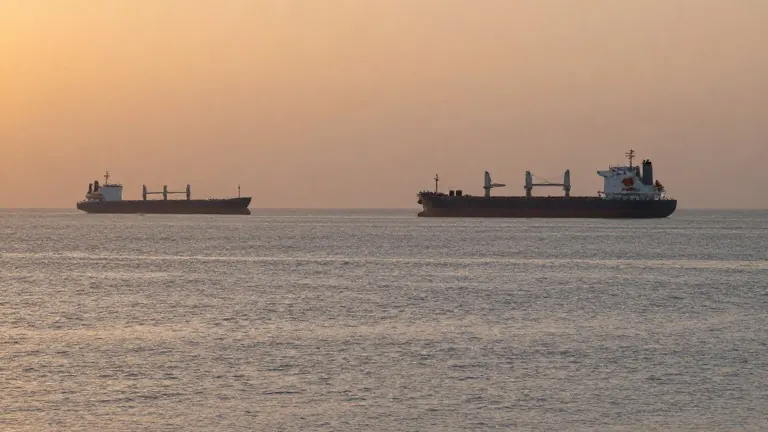
The diplomatic standoff continues as economic pressure mounts. October recorded the most attacks on commercial ships in the Strait of Hormuz since March. Chinese President Xi Jinping told Oman's sultan that the region should not become an arena for great-power rivalry. China plans to send a special envoy to Iran, Oman, and Saudi Arabia in early to mid-November.
Professors and analysts describe the current situation as a tug-of-war between diplomacy and force. Andreas Krieg of King's College London said on social media that Qatar is working on an offramp while Israel seeks a military solution. He characterized the Israeli approach as looking to throw the region under the bus. The next move from Washington will determine whether the Qatari framework or the Israeli air campaign takes precedence.
Source: Las Vegas Sun