Democrats Seize Control of Congress
Midterm results show a decisive shift in power, with Republicans losing key strongholds and facing internal leadership changes.
By Sophie Costa ·
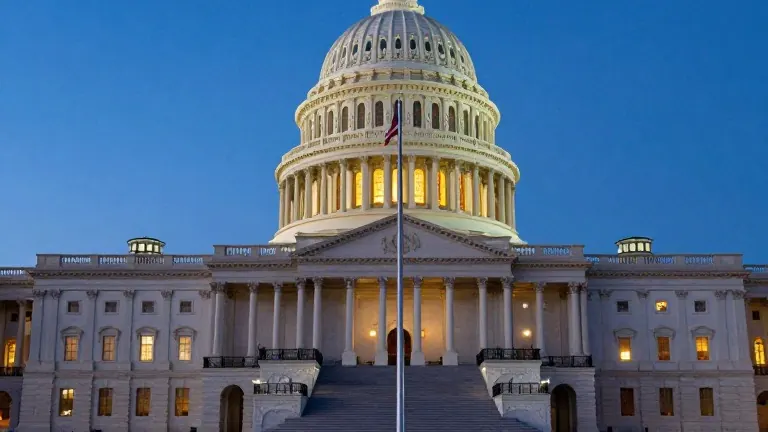
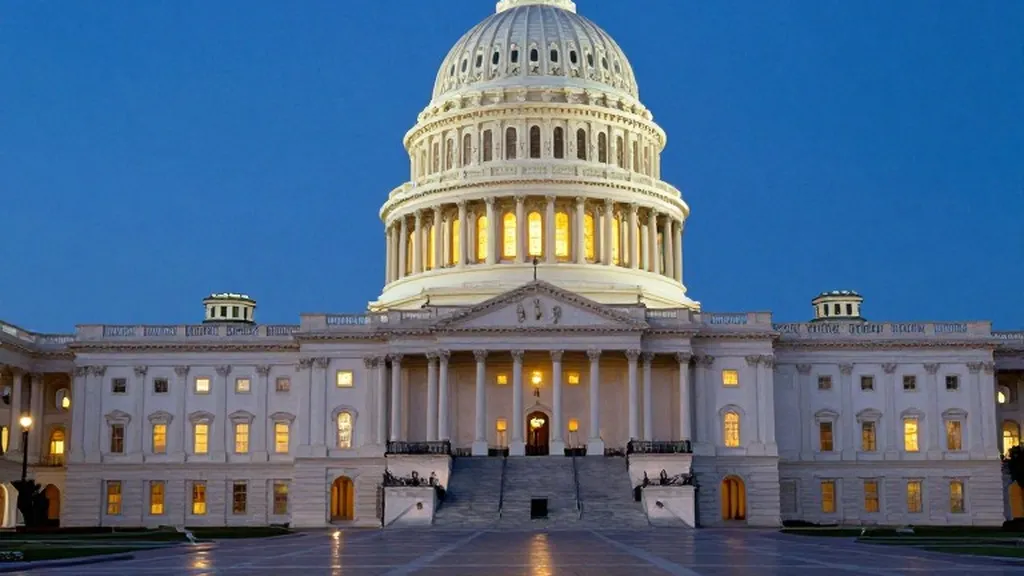
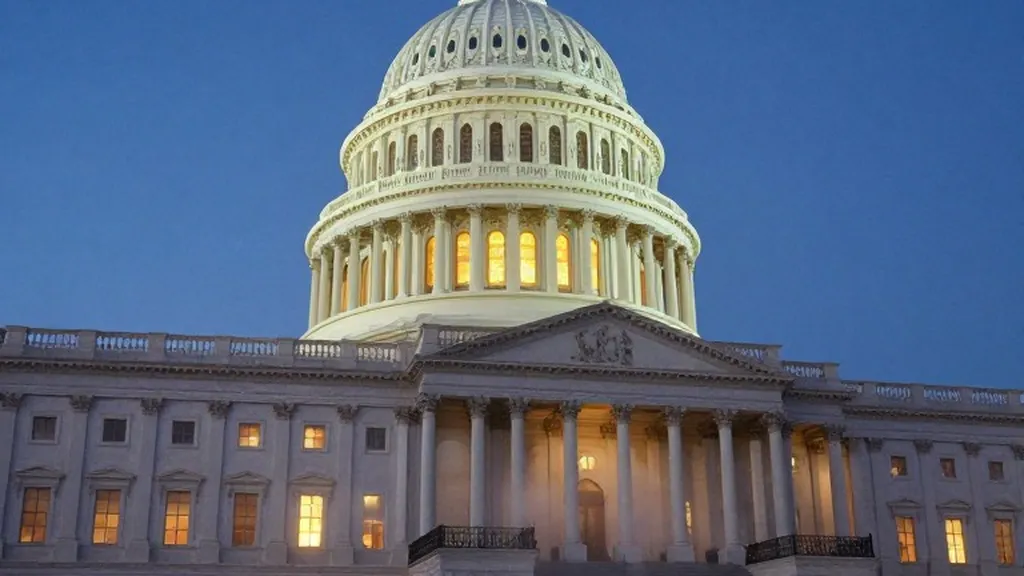
Democrats took control of both chambers of Congress in the November 3 midterm elections, ending Republican dominance in Washington. The party won wide majorities in the House and Senate, a result that voters across the country described as a clear rejection of the current administration's policies.
President Donald Trump reacted to the losses on Wednesday by hosting reporters at the construction site of the new White House ballroom. He spent nearly 20 minutes discussing specific architectural details of the building, which is being built after the demolition of the East Wing. During the tour, Trump did not mention his party's defeat in key states such as Texas and South Carolina. He also did not address voter concerns about the cost of living or federal corruption.
Vice President JD Vance publicly distanced himself from the administration's position on the Iran war following the election. In a social media post on Wednesday, Vance argued that the unpopular conflict contributed to the party's performance. He wrote, "If you’d like to argue it was worth it, that losing the Senate for the next 6 years was worth it, then do so." Vance previously stated he would decide his 2028 presidential plans after the midterm results.
House Speaker Mike Johnson announced he will not seek re-election as the Republican leader of the House. According to two people familiar with the decision, Johnson will remain a rank-and-file member from his Louisiana district. This marks the end of his tenure as speaker, a role he held during a period of slim majorities for the Republican Party in the House.
In Michigan, Senator-elect Abdul El-Sayed told the Associated Press that voters rejected a "hateful, spiteful campaign." Republicans had focused on El-Sayed's Muslim identity during the race against Mike Rogers. El-Sayed said he was running on "adrenaline and caffeine" after the race was called early Wednesday. His victory gave Democrats a substantial majority in the Senate.
Financial markets responded positively to the election results on Wednesday. The Dow Jones Industrial Average rallied 1,569 points, a 3 percent increase. The S&P 500 jumped 1.6 percent, its best day in three months, while the Nasdaq composite climbed 1.4 percent. Stocks for hospital owners and dollar stores led the rally, reflecting investor expectations for policy changes that may benefit those sectors.
The new congressional leadership is set to take office in January. Democrats now hold the power to reassert their role as a coequal branch of government. This shift creates a divided government in which the President will face a Congress controlled by the opposing party.
The election results also affected other areas of national life. In Florida, authorities confirmed two deaths, including a suspect, after a shooting at a Citibank complex in Tampa. More than 360 deputies responded to the active threat. In New York, Attorney General Letitia James announced that Jacqueline Kelly, a former federal prosecutor, will lead the reopened investigation into gang rape allegations at Cornell University.
In Israel, President Isaac Herzog accepted the certified results of the parliamentary elections. He began consultations with party representatives to form a new government. Herzog's acceptance of the results counters claims by Prime Minister Benjamin Netanyahu and his allies that the vote was compromised. Arab-led parties made historic gains in the election, losing the majority for Netanyahu's coalition.
Source: Philadelphia Daily News