Israel Election: Hung Parliament Leaves Netanyahu in Control
Final counts confirm a split Knesset, forcing difficult coalition math as the prime minister awaits a mandate to govern.
By Sophie Costa ·
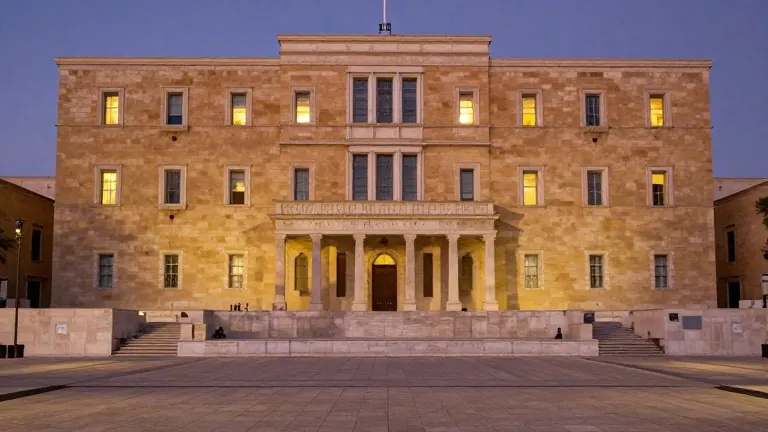
Israelis waited for final election results on Thursday, which are expected to confirm a hung parliament. The outcome leaves the nation without a clear winner, forcing a complex process to form a government. Binyamin Netanyahu remains in charge while these negotiations take place.
Local media projections show Netanyahu’s bloc holding 53 seats. Opposition parties hold 48 seats, and Arab-led parties hold 19 seats. The 120-seat Knesset requires a 61-seat majority to control the government. This gap creates a difficult mathematical challenge for potential coalition partners.
Gadi Eisenkot, the chief rival to Netanyahu, said early Wednesday that he wants a government reflecting the will of the people. He has expressed openness to working with Arab-led parties to reach the necessary majority. No Arab party had joined a coalition government until 2021, a brief alliance that has now become a focal point for current negotiations.
Netanyahu’s Likud party accused Arab-led parties of stealing the election on Wednesday. The party asked the election committee to investigate these claims. The committee stated that reported irregularities were low in what was a relatively calm election. Likud did not provide specific evidence to support its accusations.
President Yitzhak Hertzog will task someone with forming the next government next week. Traditionally, the leader of the party with the most votes receives this role, but it is not a strict requirement. Hertzog signaled on Wednesday that he wants to avoid new elections. Eisenkot has also said he prefers to avoid another vote early next year.
The election took place against a backdrop of intense domestic and international pressure. Israel faces questions over military service exemptions for the ultra-Orthodox population and the conduct of the war in Gaza. Netanyahu faces corruption allegations and accusations that he delayed hostage deals for political gain. Arab citizens, who make up 20 percent of the population, expressed cautious hope for change.
Brosli Elias, a resident of Nazareth, said he hopes for a government that brings their rights. The threat of further strikes against Iran adds to the uncertainty. The Trump administration has spoken of new attacks after the midterm elections on November 3. Experts suggest Netanyahu could use renewed war to press for a unity government under his leadership. This could delay a public inquiry into the security failures that led to the October 7, 2023, Hamas-led assault.
Source: The Irish Times