Israeli Markets Slide as Vote Leaves No Clear Leader
Netanyahu’s bloc trails Eisenkot’s by eight seats, triggering a drop in the shekel and higher bond yields.
By Sophie Costa ·
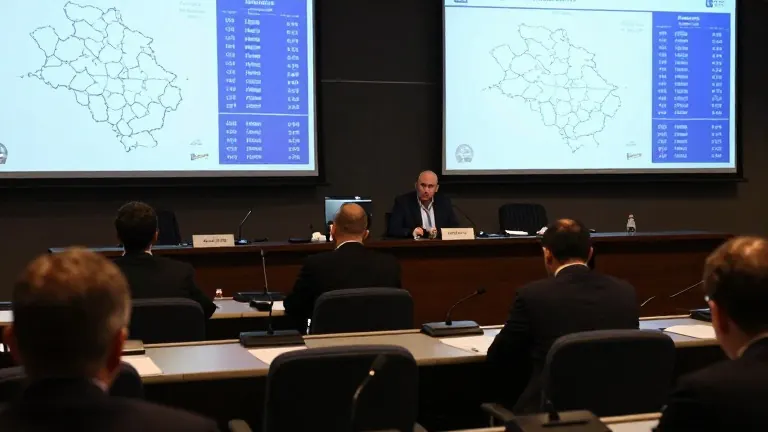
Israeli financial assets sold off Wednesday after a national election failed to produce a decisive winner. Prime Minister Benjamin Netanyahu’s political bloc is projected to win 56 seats, while challenger Gadi Eisenkot’s camp is expected to take 48 in the 120-seat Knesset. These figures come from partial results with more than 66% of ballots counted. Arab-led parties, which align with neither main camp, are projected to hold 16 seats.
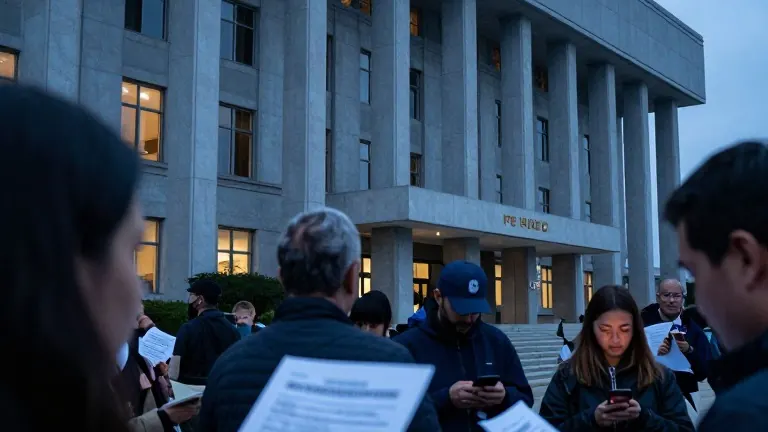
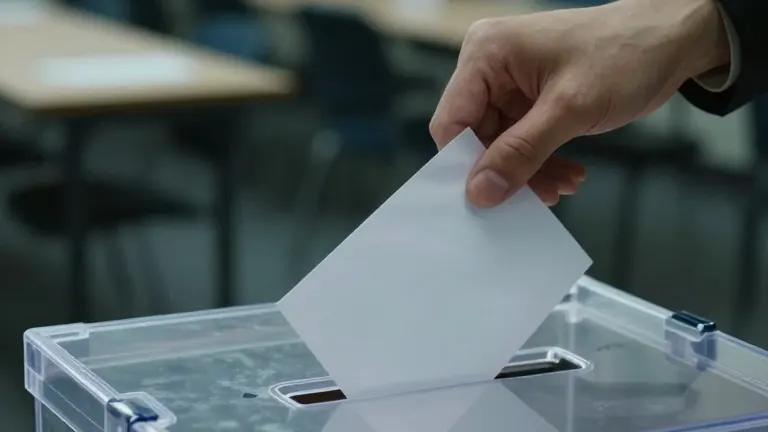
Eisenkot, a former military chief of staff, claimed victory earlier in the day. He stated that the preliminary results show a lack of confidence in Netanyahu’s leadership. "The initial exit poll results indicate a complete lack of confidence in Netanyahu and his October 7 government," Eisenkot wrote on X. Official results are not scheduled for release until November 4. The Central Elections Committee reported a turnout of 77.7%, the highest in a Knesset election in 27 years.
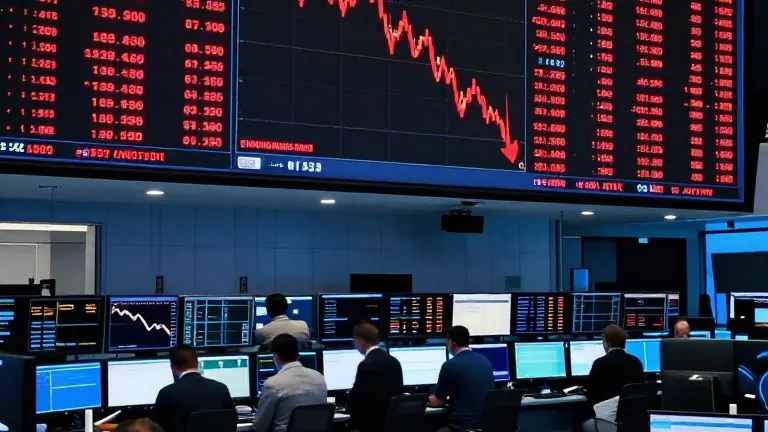
Market reactions reflected the uncertainty. The Israeli shekel fell 1% against the U.S. dollar. The Tel Aviv 35 stock index dropped 2.7%. Government bonds also faced selling pressure, pushing yields higher across the curve. The yield on the 2-year bond rose by 6 basis points. The benchmark 10-year government bond yield increased by 4 basis points. The 30-year bond yield gained 2 basis points. When bond prices fall, yields rise.
This vote served as a referendum on Netanyahu’s hold on power, which has continued since 2009. It was the first national election since Hamas’s attack on October 7, 2023, and the subsequent wars in Gaza, Lebanon, and Iran. Netanyahu’s supporters credit him with managing the war effort. Critics point to his corruption trial, judicial overhaul plans, and handling of the Gaza conflict as reasons to replace him. An International Criminal Court arrest warrant for Netanyahu remains in effect over the Gaza campaign, a warrant he has rejected.
Coalition building will likely determine the next government. The president typically asks the leader best positioned to secure a 61-seat majority to form a cabinet. If that fails, another election may be called. Mansour Abbas, leader of the Ra'am party, said his vote would change the government. Ahmad Tibi, chairman of the Joint List faction, previously outlined a plan to end Netanyahu’s tenure. Amin Saikal, a senior fellow at Singapore's S. Rajaratnam School of International Studies, noted that Eisenkot’s bloc may struggle to form a majority without including Arab and left-wing parties.
Avigdor Liberman, leader of Yisrael Beytenu, projected to hold seven to nine seats in the opposition bloc, refused during the campaign to rely on Arab parties. Netanyahu and his far-right partners warned of strong Arab participation, drawing accusations of racism from opponents. "If we don't wake up now, we'll find ourselves with a government of Mansour Abbas and Ahmed Tibi," Netanyahu said, referencing long queues in Arab communities. P.R. Kumaraswamy, an emeritus professor at Jawaharlal Nehru University, expects a prolonged negotiation process. "It is too early to write him off," Kumaraswamy said of Netanyahu.
Netanyahu has become Israel's longest-serving prime minister, aided by past electoral stalemates that kept him in office while other parties missed coalition deadlines. Israel held five elections between 2019 and 2022. Saikal suggested Netanyahu may use the coming weeks to stall government formation. The prime minister will "fight for his political survival," Saikal said.
Source: CNBC