House Control Hinges on 46 Tilt Districts and New Maps
With a three-seat margin and seven states using new boundaries, the fight for the House is narrowing to specific races that will define Congress for Trump's final term.
By Sophie Costa ·
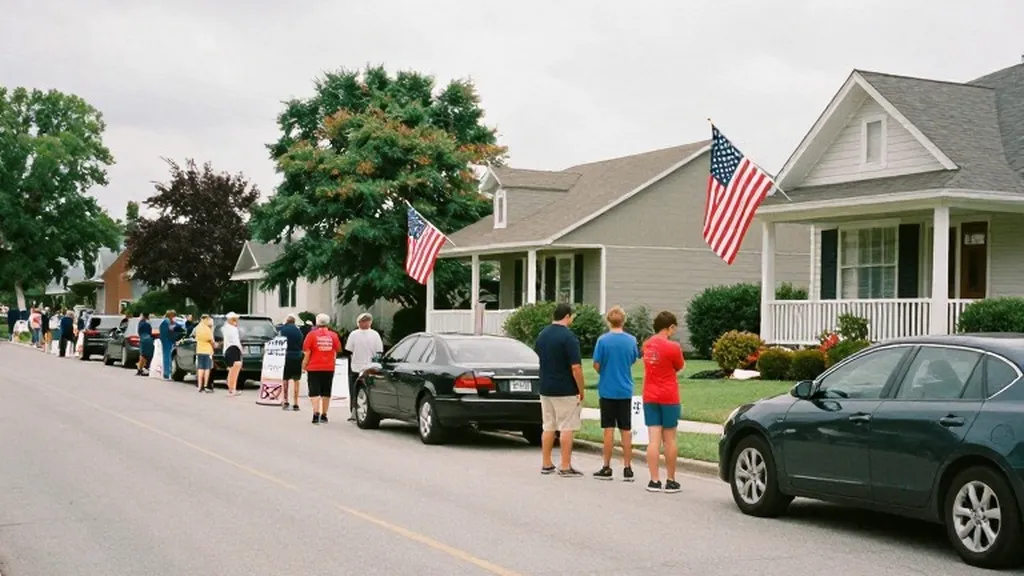
As polls open across the nation, the battle for control of the U.S. House of Representatives has narrowed to a razor thin margin that could determine the balance of power in Washington for the next two years. All 435 seats are up for election, with Republicans currently holding 218 seats and Democrats holding 214, plus one independent and vacancies. This configuration means that Democrats need a net gain of three districts to claim a majority, while Republicans can afford to lose no more than two seats. The Associated Press notes that one or two seats could tip the chamber, making every vote in the closely watched districts critical to the outcome.
The primary focus for strategists on both sides is the list of 46 battleground districts identified by Ballotpedia. Of these, 25 are currently held by Democrats and 21 by Republicans. These races are where the outcome is most uncertain and where campaign spending has been concentrated. In addition to these contested seats, the political landscape has been altered by redistricting. Seven states, including California, Florida, Missouri, North Carolina, Tennessee, Texas, and Ohio, are using new congressional maps this cycle. These new boundaries have shifted the political center of gravity in several districts, making previously safe seats competitive and forcing candidates to adapt their messaging to new constituents.
A significant portion of the House races involve districts where the 2024 presidential results do not align with the current party affiliation of the representative. Ballotpedia reports that 21 districts held by Democrats voted for President Donald Trump in 2024, while nine districts held by Republicans voted for former Vice President Kamala Harris. This disconnect suggests that voters in these areas may be looking beyond the presidential ticket to decide their House representative. For Republican leaders, the priority is to prevent a loss of the House majority, which would likely trigger increased oversight and investigations. RNC Chairman Joe Gruters emphasized the importance of turnout, stating that if they turn out their voters, they win.
The demographic and economic factors influencing these races are clear in polling data. An AP-NORC poll indicates that 35% of U.S. adults approve of President Trump's job performance, while only 25% approve of his handling of the economy. About 7 in 10 respondents say the country is heading in the wrong direction, with most blaming the administration for high prices. This economic anxiety is a driving force in the 46 battleground districts. Democrats are capitalizing on this sentiment, with DCCC Chair Rep. Suzan DelBene stating that the American people are angry and want change. The focus on the cost of living is a central theme in advertisements and rallies across these competitive districts.
The new congressional maps in the seven redistricted states add another layer of complexity. In Florida and Texas, for example, the new districts may not vote as drawn, according to the Associated Press. This uncertainty has led to a surge in spending, with Republican committees outraising and outspending Democratic committees at the committee level. However, at the candidate level, Democrats have outraised their opponents. The AP analysis of AdImpact data shows that 88.1% of Republican general election TV ad spending went to states and districts that Trump won in 2024. This strategy reflects an effort to consolidate the base in safe districts while defending the competitive ones in the battleground list.
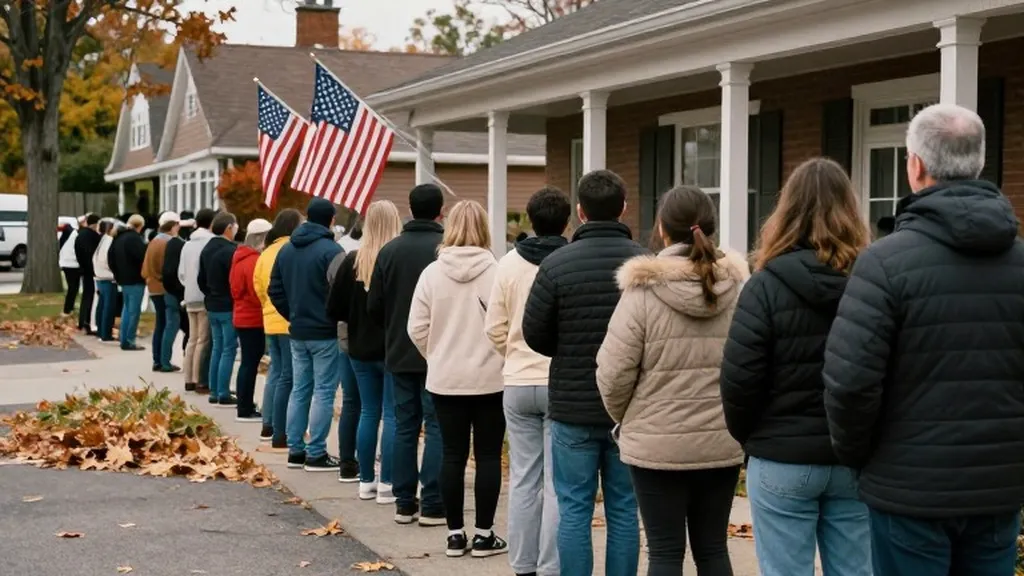
Turnout remains the most significant variable in this election. More than 57 million people had already voted as of Monday, surpassing the early vote totals of four years ago in many closely watched states. This high level of early voting suggests that voters are engaged and that the final margin will be determined by who shows up on Election Day. The Associated Press describes the election as a referendum on Trump's second term, with voters struggling with high prices and anger over the war with Iran. The mood in polling places is described as charged, with voters citing specific economic concerns such as taxes and healthcare costs.
The 46 battleground districts are not just about local issues but are also a test of national trends. The AP notes that Republicans were bracing to lose the House and fighting to hold the Senate, while Democrats were cautiously optimistic. The outcome in these districts will determine whether the House Democratic Leader Hakeem Jeffries becomes the first Black speaker of the House. If Democrats win the House, investigations and possible impeachment proceedings are likely. This high stakes environment has led to a focused campaign in the 46 districts, with candidates tailoring their messages to the specific concerns of their constituents.
The administrative aspects of the election are also playing a role. A federal judge temporarily barred the Trump administration from carrying out a plan to prevent noncitizen voting, and another judge ordered the administration to stop demanding that California election officials segregate ballots cast by people on lists of suspected noncitizens. These legal moves have added to the tension surrounding the election, with critics saying the risks of disenfranchising eligible voters. The U.S. Postal Service added hours, staff, and special lines to ensure mail ballots are counted on time, highlighting the logistical challenges of processing a high volume of votes.
As voters head to the polls, the focus is on the specific races that will decide the House. The 46 battleground districts, the new maps in seven states, and the three-seat margin create a unique set of conditions that could upend the current balance of power. The Associated Press reports that many Republican candidates kept their distance from Trump during his recent rallies, signaling a strategic shift in the campaign. The outcome of these races will have immediate implications for the legislative agenda and the oversight of the executive branch in the final two years of the administration.