Trump Ends Methane Rules, Cites $45 Billion Savings
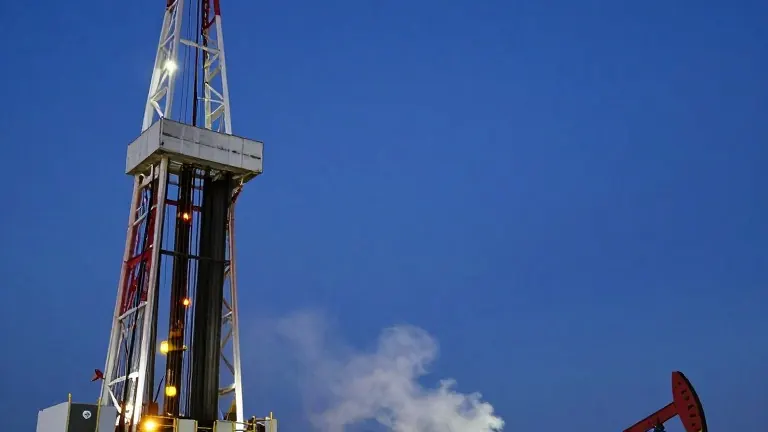
The administration is rescinding a 2024 EPA regulation that targeted leaks from existing oil and gas wells, a move critics say prioritizes production over emission controls.
By Ayanda Kaminski ·
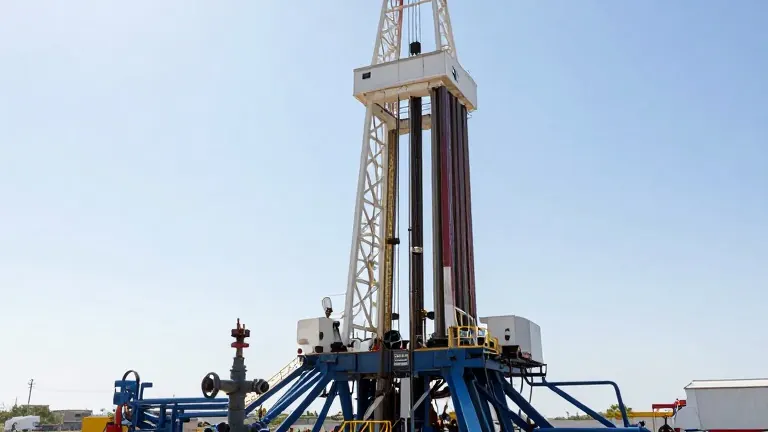
President Donald Trump declared Tuesday that his government is ending the federal rule designed to limit methane leaks from oil and gas drilling operations.
Speaking at a campaign rally in Lubbock, Texas, the President stated that the change would save businesses and consumers $45 billion in costs. He claimed the move would also unlock 210 million barrels of oil, a volume he described as equal to roughly 10 days of total U.S. petroleum consumption. The announcement coincided with his support for Republican Senate candidate Ken Paxton.
The rule being terminated was finalized by the Environmental Protection Agency in 2024 under the previous administration. It imposed stricter inspection and repair requirements on both new and existing oil and gas wells. A key component of the policy targeted small, low-producing wells that generate only 6% of the nation's output but are responsible for up to half of the sector's total methane emissions.
EPA Administrator Lee Zeldin previewed the changes last month. He indicated that the agency would eliminate its Super Emitter Program, which required companies to investigate and fix major leaks. Zeldin also stated that the agency would adopt less restrictive standards for smaller wells. He argued the rule would have cost the industry $18 billion and held back energy production.
Scientific estimates place methane at roughly one-third of global planet-warming greenhouse gas emissions. The gas is far more potent than carbon dioxide in the short term. It leaks from equipment or is burned off as a waste product by drillers. The Biden administration projected the rule would prevent 58 million tons of methane emissions by 2038 and yield $98 billion in benefits by 2034. That benefit figure relied on a social cost calculation that the current EPA has rejected.
Environmental groups argue the rollback allows companies to release gas that could otherwise be captured and used for household energy. Fred Krupp, president of the Environmental Defense Fund, described the change as a free pass for companies at the expense of consumers. He stated that the EPA should be fighting the waste rather than making it easier to emit.
The methane regulation was linked to a fee program approved in 2022. That fee would have charged producers up to $1,500 per metric ton of methane exceeding set limits. It marked the first direct federal tax on greenhouse gas emissions. Congress repealed the fee shortly after Trump took office. The administration has since revoked other climate policies, including lower fuel economy standards and emission limits for power plants.
The rule was originally announced in 2023 at a U.N. climate conference in the United Arab Emirates. Former Vice President Kamala Harris was present when officials detailed the plan. The EPA delayed implementation by 18 months last year to give companies time to meet the new inspection requirements. Trump’s first term also saw a scaled-back effort to regulate methane from the same sector.
Source: WVXU