EPA Proposal: Trump Team Targets Methane Rules
Administration seeks to scale back 2023 regulations on oil and gas emissions, citing cost savings and production gains.
By Ayanda Kaminski ·
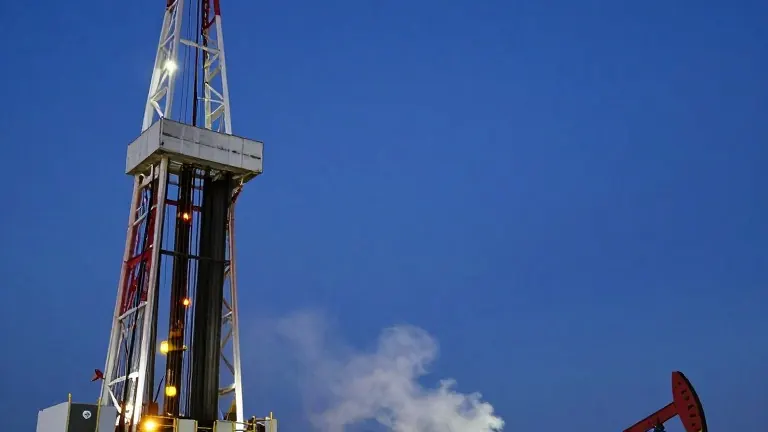
The Trump administration is moving to weaken federal limits on methane emissions from the oil and gas sector.
In 2023, the Biden administration finalized rules under the Clean Air Act to rein in methane releases at drilling sites. Methane is a potent greenhouse gas, estimated to be 80 times more warming than carbon dioxide over a twenty-year period. The new proposal from the Environmental Protection Agency aims to revise these standards.
President Trump announced the change on Tuesday while campaigning in Lubbock, Texas. He stated that the revision would save the industry billions in production costs and encourage more domestic drilling. This move arrives as Republicans face voter concerns over high gas prices ahead of the midterm elections.
EPA Administrator Lee Zeldin defended the rollback in a press release. He described the previous rules as destructive to the economy, noting that millions of workers and businesses depend on oil and natural gas production. The American Petroleum Institute, a trade group for the sector, expressed support for the change. Vice President Dustin Meyer said the industry looks forward to a more workable approach that provides regulatory certainty while still advancing emissions reductions.
Environmental advocates argue the changes may increase costs for the industry. Jon Goldstein, associate vice president at the Environmental Defense Fund, noted that capturing methane is equivalent to capturing natural gas. He argued that preventing leaks allows companies to sell more product, which offsets compliance costs. Goldstein added that wasting gas harms energy security and reduces royalty and tax revenue for taxpayers.
The proposal targets specific regulatory mechanisms, including the Methane Super Emitter Program. This program, scheduled to take effect in January 2027, would allow certified third parties to monitor large leaks. Paasha Mahdavi, a political science professor at UC Santa Barbara, explained that third-party reporting helps the government identify and prosecute facilities breaking the law. He warned that removing this tool makes it harder to detect large leaks because methane is invisible and difficult to track without specialized technology.
The EPA also plans to loosen rules for low-volume marginal wells. These wells are considered marginally economic and do not generate high profits. Goldstein stated that satellite data shows these aging, end-of-life wells are responsible for a large share of methane pollution in the production sector. The EPA will hold a public comment period of at least 45 days, including a public hearing, after the rule changes are published in the Federal Register.
Source: WCBE