220,000 Ohio deer harvested annually as CWD surveillance expands
Officials require testing for hunters in nine western counties to track the spread of Chronic Wasting Disease.
By Ayanda Kaminski ·
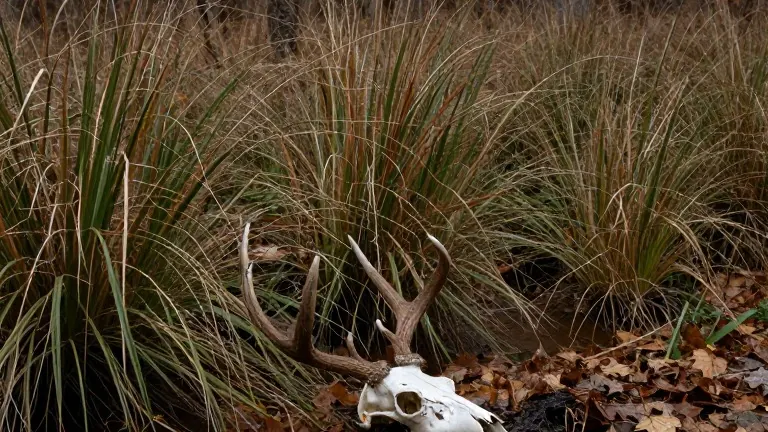
Ohio harvests roughly 220,000 deer every year.
State wildlife officials are currently tracking two distinct diseases that threaten these herds. Clint McCoy, the deer program administrator for the Ohio Department of Natural Resources, explained that one illness poses an immediate risk while the other presents a long-term challenge for population stability.
Hemorrhagic disease acts as the short-term threat. A virus carried by tiny midges causes the infection. Last year, the disease severely reduced deer numbers in southern Ohio. This year, the impact extended to Lorain and Portage counties in the northern part of the state. McCoy noted that the long-term damage is limited because surviving deer develop antibodies. He stated, "Once the deer is exposed to the virus and survives, it has built up antibodies to offer protection from future infection." Warmer weather associated with climate change helps midge populations thrive, which aids the spread of the virus.
Chronic Wasting Disease, or CWD, represents the growing long-term concern. McCoy observed, "I don’t think there’s anywhere in the country where CWD has been detected and it hasn’t spread." The disease is caused by an abnormal protein fragment known as a prion. These prions lodge in the deer's brain. Infected animals can spread the prion to others through contact or via contaminated soil, water, and plants. The condition is fatal, but it may take up to 18 months to kill the animal. During that time, the infected deer remains in the herd and continues to shed the prion.
McCoy added that prions can persist in soil for years. This durability makes it impossible to eradicate the disease once it is established in a specific area. To monitor the spread, hunters must submit deer for CWD testing starting later this month. This requirement applies to all deer taken in Allen, Hardin, Marion, and Wyandot counties. It also applies to portions of Crawford, Morrow, Delaware, Union, and Hancock counties. McCoy defined this specific geographic area as the current disease surveillance zone.
Citizens are asked to report dead or sick deer to help officials track hemorrhagic disease. Regarding CWD, hunters are advised not to eat infected deer. It remains unknown whether the prion can infect humans. The state will continue to monitor both conditions as the hunting season progresses.
Source: WOSU-FM