Amazon Abandons Four Loudoun County Data Centers for Homes and Arts
Following intense local resistance, the tech giant will convert most of the site into residential and mixed-use spaces while donating land for community facilities.
By Sophie Costa ·
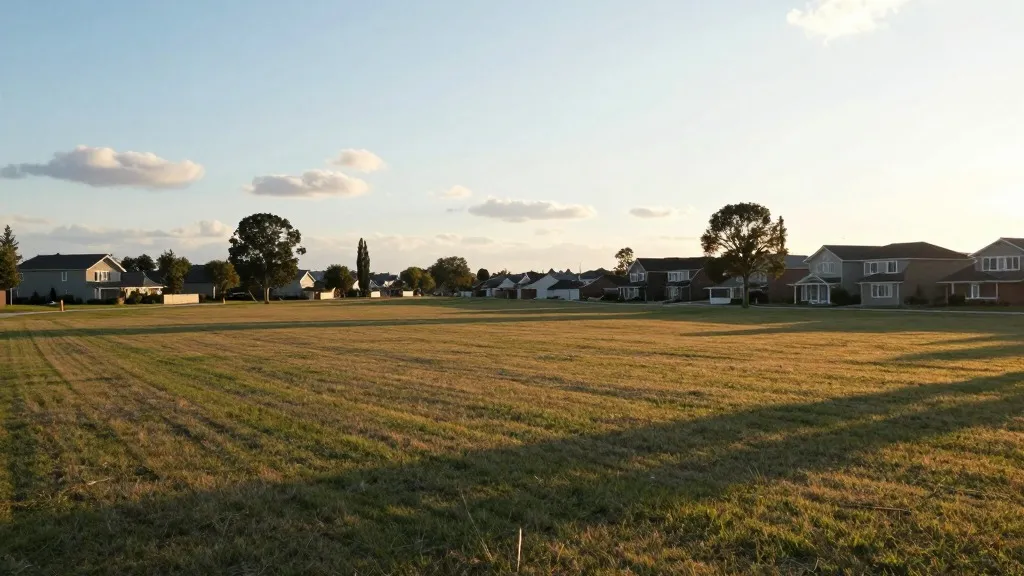
Amazon has officially scrapped plans to construct four new data centers in Loudoun County, Virginia, opting instead to transform the majority of the 122-acre site into mixed-use and residential development. This significant reversal occurs just outside Washington, D.C., on the former campus of George Washington University. The decision follows substantial pushback from local residents who opposed the expansion of data center infrastructure in a region already known for having the highest concentration of such facilities on Earth.
The path to this conclusion began in July when Amazon first submitted its proposal to build the new facilities. The tension escalated in September, when company executives met with Phyllis J. Randall, the chair of the Loudoun County Board of Supervisors. During that meeting, county leaders suggested that an alternative use for the land might serve the community better than additional server farms. This dialogue eventually led to the current agreement, which avoids what could have been costly litigation.
Under the new deal, Amazon will donate 25 acres of the property to Loudoun County. This land is designated for the construction of a community arts center and a new recreational facility. Additionally, the company will contribute $5 million to the county's housing fund. These concessions are designed to address local concerns regarding the noise and massive power requirements of data centers, which have become a focal point of community debate.
Josh Weissman, Amazon’s vice president of data center development, explained that the company had initially seized the opportunity to purchase the former university campus. However, the team carefully weighed the county’s specific concerns about development at this particular location. Weissman noted that while Amazon viewed the legal potential of the property differently than the county did, they concluded that a shared vision was superior to legal battles. He stated that the best outcome for all parties was to come together on a common plan for the campus.
This decision takes place against a backdrop of rising demand for AI infrastructure. The rapid growth of cloud services and artificial intelligence has driven the need for larger, more powerful facilities. Yet, this boom has also sparked opposition from communities worried about electricity price spikes and water usage. President Donald Trump recently called for data center builders to pay local communities a dividend to offset energy-related cost increases, further highlighting the political and economic pressures on the industry.
County officials are celebrating the resolution as a win for residents. In a statement, Randall emphasized that choosing dialogue over disagreement created an opportunity for the county. She highlighted that the agreement provides new spaces for residents to gather and create. Most importantly, she noted, it will help provide more attainable homes for working families in the area.
The shift reflects a broader trend where local officials are scrutinizing the environmental and economic impacts of data centers. While the technology is essential for modern digital life, the physical footprint of these facilities is no longer ignored. Amazon’s move in Loudoun County sets a precedent for how tech giants may negotiate with local governments in the future, prioritizing community integration over pure expansion.
Source: Tom's Hardware · original report published