Blue-Green Glow: How Robotaxis Will Tell You No One Is Driving
Federal regulators are proposing a specific cyan light for autonomous vehicles to create a clear visual signal for other drivers.
By Tunde Adeyemi ·
The debate over how self-driving cars should announce their presence on the road has dragged on for years. Now, federal regulators have chosen a specific visual cue to settle the matter.
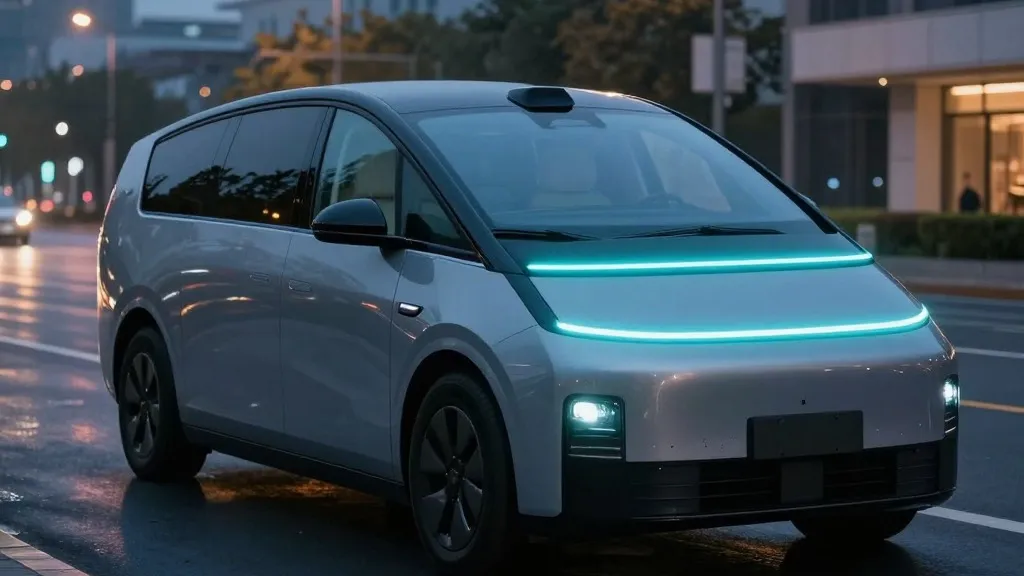
The National Highway Traffic Safety Administration (NHTSA) has proposed a new rule requiring driverless vehicles to use cyan-colored marker lamps. This distinct blue-green light would serve as a consistent signal to law enforcement and other road users that an automated system is in control.
The choice of cyan is strategic. The automotive industry already relies on red, amber, white, and flashing blue or red lights for standard functions like braking, turning, and emergency response. By introducing a new color, the agency aims to fill a visual gap without confusing drivers who are accustomed to the existing palette.
There is some historical context for this approach. Mercedes-Benz previously received state-level approval for turquoise lights on its Level 3 Drive Pilot vehicles. Although the automaker has since shifted focus to a Level 2++ system, the NHTSA wants to establish a uniform national standard. This would allow major players like Waymo, Nuro, and Zoox, as well as manufacturers like GM and Mercedes, to adopt the same signaling method.
Under the proposal, these cyan lights would be optional for manufacturers. However, if a company chooses to include them, the federal standard would dictate their color, brightness, and placement. This ensures that any autonomous vehicle on the road uses a consistent and legal setup, rather than a confusing array of different colors and signals.
The rule update also involves removing outdated requirements that do not apply to human-free designs. Current regulations mandate physical hazard switches, manual beam shifters, and turn levers inside the vehicle. The NHTSA proposes eliminating these, allowing automakers to build around modern LED architectures without unnecessary administrative hurdles. The agency is also considering removing rules that dictate the specific vertical placement of high-beam versus low-beam lights.
This change fits into a broader effort by the Department of Transportation to streamline the deployment of autonomous vehicles. The goal is to make it easier for manufacturers to build cars without traditional controls like steering wheels and pedals. However, the regulatory environment remains strict. Last month, the NHTSA opened an audit query into the Tesla Cybercab to examine how the company certified its design, specifically regarding the absence of standard features like sideview mirrors and pedals.
The proposal marks a significant step toward standardizing the look of autonomous fleets. While the lights are optional, the creation of a federal standard provides a clear path for industry adoption. As robotaxis become more common, a uniform visual language will be essential for safety and public trust.
Source: The Verge