Tesla’s New Robot Line Targets a Million Units, Shifting Focus from Cars to Humanoids
The automaker is ramping up humanoid robot production in Fremont, aiming for early deliveries to businesses by late next year.
By Dmitri Sokolov ·
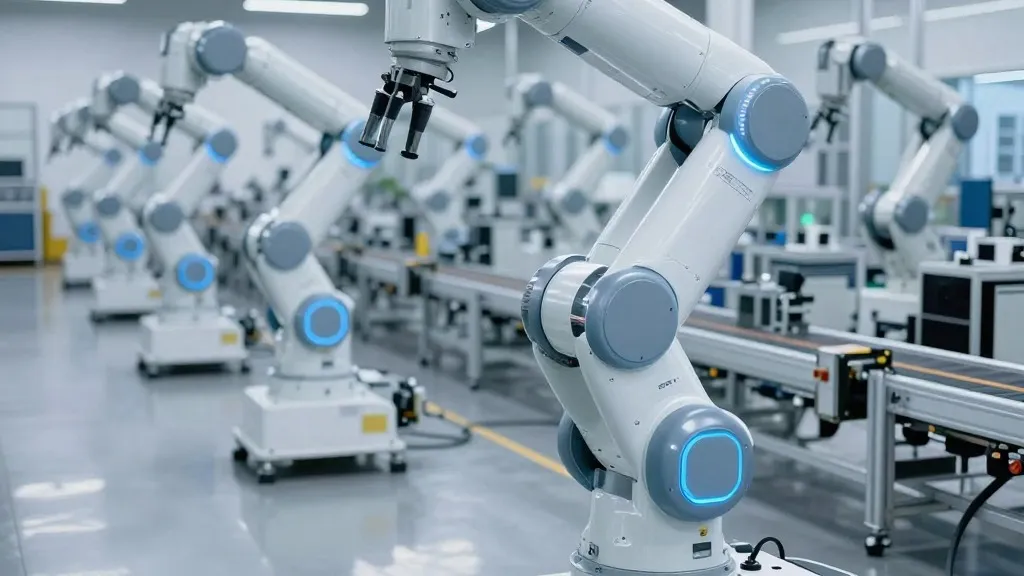
For residents in the Great Lakes and Ohio Valley, the most immediate shift is the quiet transformation of one of the region’s largest manufacturing hubs. Tesla has begun producing its Optimus humanoid robots on a high-volume line inside its Fremont facility, marking the first time the company has manufactured robots that meet commercial product standards. This transition signals a major pivot in how the company allocates its industrial capacity, moving space previously dedicated to luxury sedans and SUVs toward a new generation of automated labor.
The physical changes in the factory are already substantial. Tesla cleared out the old Model S and Model X assembly lines in just 46 days this spring to make room for the new robot production setup. According to the company’s third-quarter shareholder letter, the robots now coming off this line are the first to be considered production-quality, confirming that the current manufacturing process is suitable for a commercial product. This rapid turnaround suggests a high level of confidence in the infrastructure required to scale humanoid robotics.
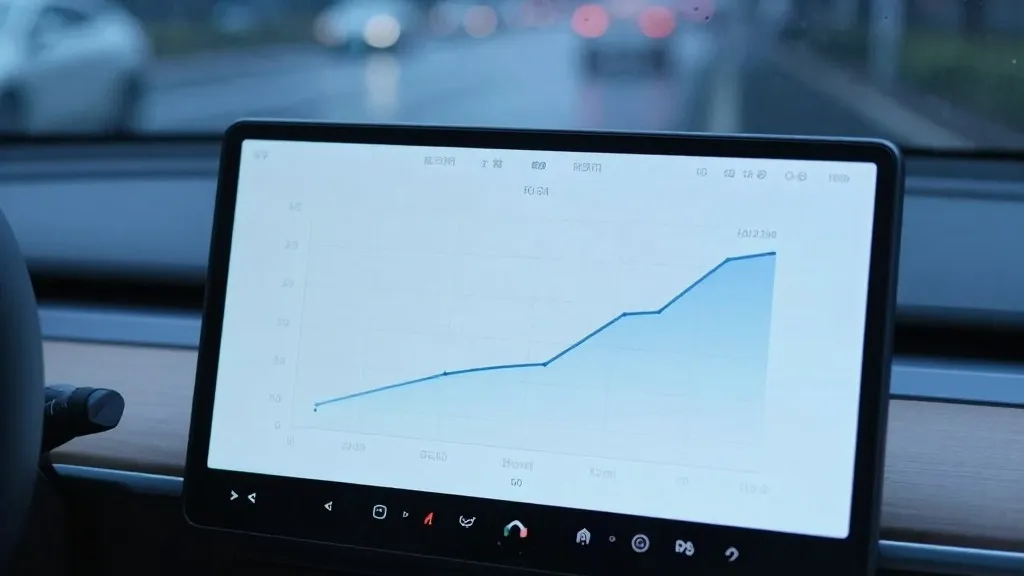
On Wednesday’s earnings call, CEO Elon Musk provided details on the production ramp-up, noting that most of the equipment needed for a massive capacity increase is already in place. The goal is to reach a weekly output of approximately 20,000 robots as the line matures. Musk described this growth trajectory as a classic S-curve, warning that the initial slope will be shallow before production accelerates. This phased approach allows the engineering team to refine the robot’s AI, electromechanical design, and reliability before scaling output significantly.
A key challenge for Tesla is how to train these robots without a massive existing fleet to gather data from, unlike its cars. To solve this, the company is establishing an Optimus Academy, a dedicated environment where 10,000 to 20,000 robots will practice various tasks. These robots will feed their learning data back into the system, effectively teaching themselves and improving the next version of the model. This iterative process is central to Tesla’s strategy for developing robust, general-purpose robots.
Tesla plans to start delivering Optimus to outside companies by the end of next year. The initial targets for these robots are dangerous, repetitive, and around-the-clock jobs. Alongside the software improvements, Tesla intends to integrate its AI5 chip into the robots next year. Musk also teased a new video within the next one or two months, which will show the robot completing tasks driven by AI rather than preprogrammed motions, a distinction he emphasized when comparing Optimus to rival humanoid demos that rely on scripted routines.
The supply chain is also preparing for this expansion. In September, Tesla certified three major partners—Tuopu, Joyson, and Sanhua—for the mass production of Optimus components. Meanwhile, a much larger Optimus factory is under construction at Giga Texas. Recent drone footage shows the steel frame of that new plant nearing completion, with a long-term target of producing 10 million robots annually. This dual-site strategy ensures that Tesla can scale production beyond the initial Fremont line.
Executives noted that Optimus production costs are trending toward the expected manufacturing cost of the Cybercab, indicating that the robot is being engineered for volume from the start. However, the hands remain the most difficult part of the design. Musk highlighted this at a recent X Takeover event, noting that much of the current engineering effort is focused on solving the mechanical and sensory challenges associated with dexterous robotic hands. As Tesla continues to refine these components, the path toward a fully autonomous, commercially viable humanoid robot becomes clearer.
Source: Teslarati