Election Strategy: AI Concerns Reshape Voter Priorities
Polls and experts indicate that artificial intelligence has shifted from a tech boom to a political liability for candidates in both parties.
By Ayanda Kaminski ·

Artificial intelligence is now a central topic in the final stretch of the midterm campaigns. Candidates in both parties are adjusting their messaging to address voter concerns about the technology. This marks a distinct shift from how politicians have typically viewed new tech in the past.
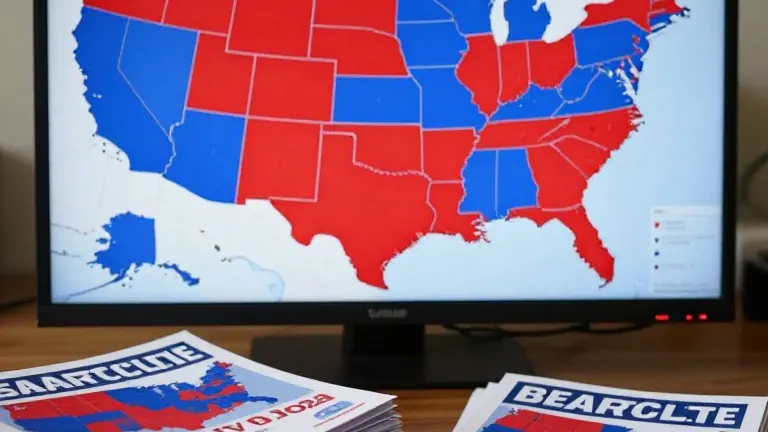
Chris Borick, a political science professor at Lehigh University, noted that the political stance on AI has moved from positive to neutral or negative. He said this change has occurred in both red and blue states over the last year. Borick explained that this rhetoric mirrors the public's growing worries about how AI affects communities and the economy.
The shift began as AI started to dominate local and national news. It moved from a symbol of innovation to a subject of debate. Voters in key swing states began asking candidates how they would manage the industry. This forced lawmakers to define their positions clearly before the election.
Shobita Parthasarathy, a public policy professor at the University of Michigan, observed a difference in how the two parties approach the issue. She said Republicans have maintained a closer relationship with AI companies over the past year. Consequently, she noted that many Republican candidates focus heavily on cost issues. They are less likely to discuss broader societal impacts or call for a pause on development.
Democrats are also engaging with the issue, but the specific framing varies by region. Both parties are tapping into the same public anxiety, yet they are using different arguments to win votes. The focus is on protecting jobs and ensuring the technology benefits the average household.
Borick pointed out that this issue can create unexpected political alliances. At the local level, conservatives and liberals often join forces to oppose new data centers. This cross-partisan grouping suggests that the technology could drive future political realignments. It is already influencing how local races are being fought.
A recent poll of voters in Iowa and Ohio, published by SEMAFOR, found that the vast majority want greater regulation of artificial intelligence. This data point provides a clear benchmark for what candidates need to address. The next major step will be seeing how these platforms translate into votes on election day.
Source: WOIO