Shanghai Tech Index Down 40% in Sell-Off
Chinese equity markets have shed $2.4 trillion since May as weak consumer demand and US trade restrictions weigh on the sector.
By Natalie Castro ·
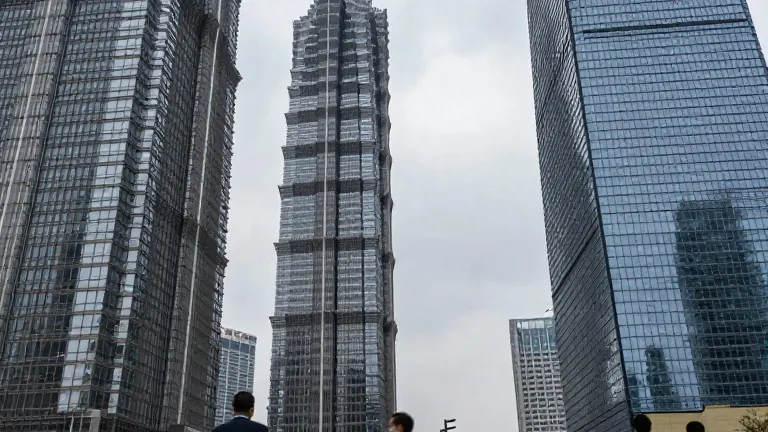
The STAR 50 Index, which tracks technology and innovation firms listed on the Shanghai stock exchange, has fallen 40 percent since June. Other major market indexes dropped approximately 20 percent over the same period. According to Bloomberg, this decline wiped $2.4 trillion from the Chinese stock market starting in May.
Goldman Sachs reports that artificial intelligence stocks represent more than 40 percent of total market value in China and Hong Kong. Because of this concentration, valuation drops in the tech sector ripple through the broader domestic market. Investors are reacting to thin profit margins and a lack of consumer spending on new hardware.
Beijing launched a 60 billion yuan state-backed investment fund this month to support domestic developers. The government aims to sustain the technology boom through direct capital injection. However, Chinese consumers remain cautious with their spending, making it difficult for tech companies to generate consistent profits without external support.
Dan Wang, the China director for the Eurasia Group, noted that profit margins for this year are lower than expected. She cited rising US interest rates and weak domestic demand as primary drivers of market anxiety. Wang described a general uncertainty among tech firms regarding whether state-backed models can succeed without strong consumer uptake.
Washington has banned Chinese humanoid robots, citing national security risks, and is considering restrictions on Chinese components in data centers. China relies heavily on exports, so these US measures hurt domestic firms that cannot sell enough products at home. Shares in Unitree, a leading Chinese robot maker, have halved since trading began in August.
The Chinese Communist Party is holding its fifth plenum this week to prepare for the 21st Party Congress. Officials are expected to anoint Xi Jinping for a fourth term. Policy makers are avoiding risky stimulus measures during this sensitive period to prevent potential instability. Wang warned that any failed policy intervention could lead to personal accountability for the leaders who proposed it.
Source: The Guardian
More Business · Business Complaints · Report a business · Got a Story?