
Aldi targets 3,000 U.S. stores by 2028 to challenge grocery pricing
The German grocer aims to become the second-largest chain in America, relying on private label products and limited inventory to undercut competitors.
By Sophie Costa ·
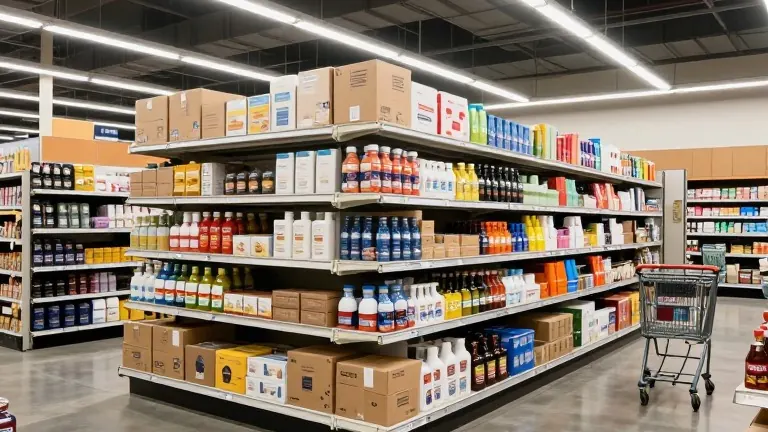
Aldi plans to operate more than 3,000 locations in the United States by the end of 2028. According to Bloomberg, this expansion would make the German retailer the second-largest grocery chain in the country, trailing only Walmart.
The company generated approximately $29 billion in U.S. sales in 2024. This revenue figure exceeds the sales of Trader Joe's. Aldi’s growth has forced established competitors to adjust their pricing strategies. Wegmans and Kroger have announced defensive price reductions in response to the market pressure.
A 2023 analysis of Lidl, a German grocer with a similar business model, found that local grocery chains reduced their markups by roughly 7 percent in areas where Lidl stores opened. Deena Shanker, a food reporter, stated that her comparison shopping over several months showed Aldi either matched Walmart on price or was slightly cheaper.
Aldi’s low prices stem from two primary operational tactics. First, more than 80 percent of its products are private label items. These store-brand goods, such as Benton's Chocolate Sandwich Cookies, avoid the markups associated with national brands like Nabisco. Second, the company limits its inventory selection. By stocking only essential items in bulk, Aldi reduces spoilage, storage needs, and real estate costs.
The store environment is designed to minimize expenses. Management does not play music in stores to avoid licensing fees. Staff place products on shelves directly from their shipping cardboard boxes to reduce labor costs. This intentional simplicity allows Aldi to keep prices lower than competitors who offer more extensive selections and amenities.
The strategy dates back to 1946, when the Albrecht brothers took over their family's small grocery store in post-war Germany. They maintained small store sizes and limited product ranges as they expanded. This model, combined with rotating seasonal items and premium product options, has attracted a loyal customer base. Many shoppers now line up for new store openings, treating the experience as a hunt for specific deals rather than a routine errand.
Aldi's presence challenges the traditional superstore model. The company intentionally locates stores near larger competitors. This positioning allows shoppers to purchase their bulk essentials at Aldi and visit nearby stores for the remaining items on their list. The expansion demonstrates that a limited, efficiency-focused business model can compete against large-scale retailers in the American market.
Source: NPR
More Business · Business Complaints · Report a business · Got a Story?