
Private Grant Covers 30% of Training Costs for 10 Veterans Seeking Service Dogs
St. Louis trainer Matt Willis said a donor-funded program will subsidize instruction for service animals to address gaps in federal care.
By Natalie Castro ·
A private donor grant will subsidize service dog training for ten veterans or active military members. The funding covers 30 percent of the training costs for each recipient. This financial support aims to reduce the barrier to entry for individuals seeking animal assistance.
James Poggi, a former Marine Corps aviator, exemplifies the physical challenges these dogs address. Poggi underwent five back surgeries and a below-the-knee amputation due to accidents and spinal meningitis sustained during his active service. He described the transition from a mobile soldier to a dependent civilian as a profound shift in personal vulnerability.
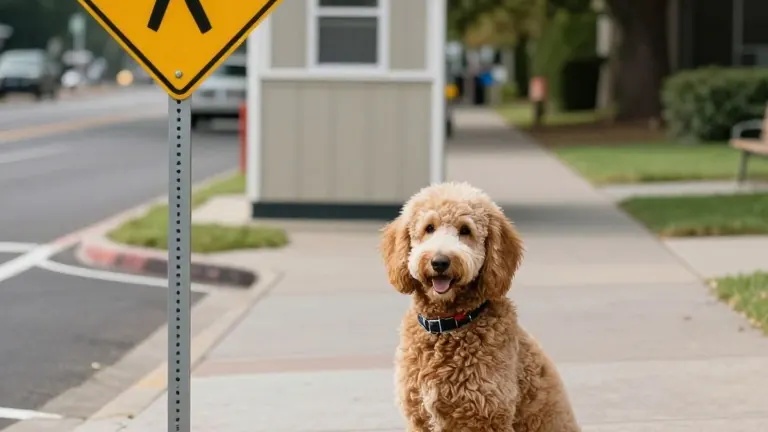
Poggi’s wife, who serves as his caregiver, suggested he acquire a service dog to manage the emotional toll of his condition. He now works with Teddy, a Goldendoodle, who performs daily tasks such as retrieving keys and phones. Poggi noted that the dog restores a sense of independence by handling tasks that require physical mobility.
The animal also provides emotional support. Poggi compared the bond with Teddy to that of a battle buddy, stating the dog is always there to have his back. He said the relationship brings back joy comparable to his love for his children. A 2024 study indicated that service dogs are associated with lower rates of anxiety and depression in veterans with PTSD.
Poggi trained Teddy at Dog Training Elite St. Louis. The facility prepares dogs for real-world scenarios beyond basic obedience. Matt Willis, the owner of the training center, said the program addresses both physical limitations and mental health issues. He noted that veterans often face gaps in care despite government efforts.
Willis explained that the interaction with dogs causes chemical changes in the body that provide uplift. He stated that the grant divides the donor funds to help ten specific individuals. The recipients can be active military personnel or veterans. Willis emphasized that the program targets those who see the practical benefit of these animals.
A 2024 survey of approximately 600 veterans found that about four in 10 had never had a PTSD service dog but would like one. The Department of Veterans Affairs does not currently provide service dogs for mental health conditions. The agency is still studying the potential benefits of such interventions.
Poggi plans to return to his job as a school crossing guard in Mascoutah for the next school year. He intends to work full time on the corner daily. Teddy will accompany him, utilizing a small crossing guard hut for work.
Source: WXIX-TV