
Firefighters Face Billions in Costs to Replace PFAS-Laden Gear
A consolidated class action seeks to force manufacturers to pay for new equipment after internal documents revealed decades of concealed toxicity data.
By Ayanda Kaminski ·
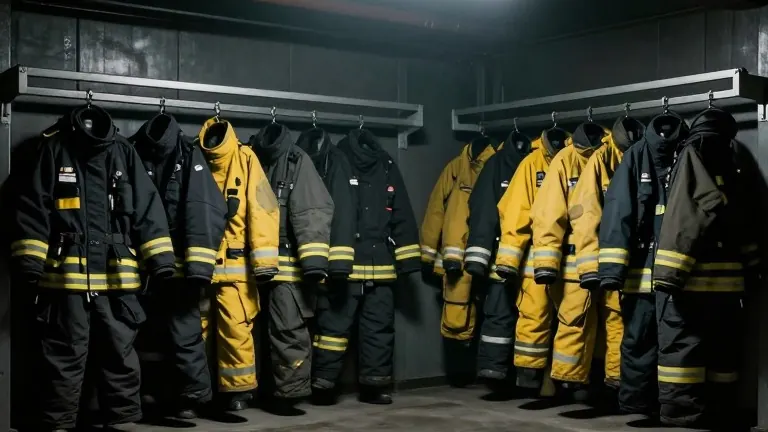
Five class action lawsuits filed by municipalities have been consolidated into a single case in Minnesota, demanding that turnout gear manufacturers pay for the replacement of PFAS-containing equipment. The legal action targets more than a dozen companies, including 3M and DuPont, alleging they concealed the health risks of per- and polyfluoroalkyl substances while marketing them as safe.
The dispute stems from internal records released by the Environmental Working Group. These documents indicate that 3M and DuPont labeled PFAS as toxic as early as the 1960s and 1970s. By the 1980s, both companies moved female employees of childbearing age away from high-exposure assignments. In the 1990s, their own scientists found links between PFAS and cancer, yet the chemicals remained standard in firefighting gear for decades.
Recent academic research has intensified the urgency for change. A 2020 study from Notre Dame confirmed high levels of PFAS in both new and used turnout gear, noting that the chemicals can leach into skin. Despite this evidence, hundreds of thousands of firefighters nationwide still wear gear containing these substances. A national survey found that half of the responding fire chiefs have not switched to new gear because their local governments cannot afford the expense.
The financial burden falls heavily on municipalities. Chris Albani, a firefighter and union representative in Connecticut, estimates that a full set of protective equipment costs between $5,000 and $8,000 per member. For a department of 200 personnel, the total cost reaches into the millions, a sum many towns struggle to cover without new tax revenue.
Attorney Jennifer Sclar represents several fire unions and municipalities in the consolidated case. She argues that defendants understood the dangers of PFAS long before public awareness grew. Sclar stated that the defendants told firefighters there was nothing to worry about, despite internal knowledge to the contrary. The goal of the litigation is to make manufacturers cover the cost of replacing the toxic gear.
Manufacturers have pushed back against the claims. 3M argued in legal filings that it did not manufacture the specific gear worn by the plaintiffs and that there is no direct proof linking the company to physical injuries. DuPont previously described the complaints as without merit. Most companies contacted for comment declined to speak publicly.
Distrust among firefighters has grown following the 2025 Quincy, Massachusetts incident. The local department purchased new gear marketed as PFAS-free, only for independent tests to reveal high chemical levels that same year. Mayor Thomas Koch called the discovery outrageous. The manufacturer stated it eliminated PFAS from its textiles in 2025 and that the chemicals were not intentionally added, though testing detected very low levels.
Ed Kelly, president of the International Association of Fire Fighters, said the union wants manufacturers to pay for the replacement gear they need. He emphasized the need for independent testing of new alternatives to ensure no other harmful chemicals are present. Firefighters like Albani now limit their contact with old gear until replacement is finalized, waiting for equipment that protects their lives without exposing them to known toxins.
Source: KCTV5