2026 Horror Films Mirror Economic Anxiety and Social Isolation
Critics note that top-performing horror titles this year focus on loneliness and financial stress, themes that align with current voter concerns ahead of the midterms.
By Ayanda Kaminski ·
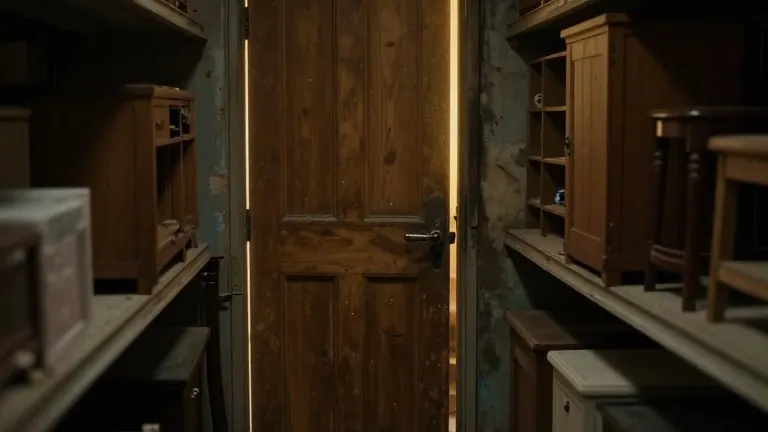
Two of the highest-grossing horror films released in 2026, "Obsession" and "Backrooms," share a central theme of isolation. The movies opened in theaters just two weeks apart earlier this year. Both directors, Curry Barker and Kane Parsons, are young filmmakers. Their work reflects the economic and social anxieties currently gripping the country.
"Backrooms" follows a furniture store owner who enters a hidden dimension connected to his store's basement. The film was adapted from a popular video game. The protagonist, Clark, is defined by his divorce and his struggling business. He becomes obsessed with the liminal space and builds a home there. He refuses to leave, driven by a desire to avoid the expectations of the outside world. His refusal to change eventually destroys him.
"Obsession" tells a similar story through the character of Bear. Bear is lonely despite being surrounded by people. He fixates on a female friend and wishes for her to love him. This wish turns her into a monster. Bear does not intend to be a villain. He simply wants a confidant. His decision to ignore the pain he causes until it is too late is rooted in selfishness.
Critics argue these narratives tap into a specific type of internal isolation. This fear resonates because of a pandemic that shaped the youth of these filmmakers and their audiences. The terror of being stuck in one's own comfort zone is a central motif. It mirrors the behavior of the protagonists who turn into villains in their own stories.
Economic stress is another key driver in 2026 horror. Distrust of elites and concerns over cost of living appear in several popular titles. In Zach Cregger's "Resident Evil," the inciting incident involves a man taking an extra job for money instead of going home. Sam Raimi's horror-comedy "Send Help" features a loyal employee passed over for a promotion in favor of the owner's son's fraternity brother.
These themes align with current political discourse. The 2026 midterm election is scheduled for next week. Political ads often resemble horror shorts. They focus on protests, disengagement, and complaints about gas prices, groceries, and housing costs. Journalists report hearing these same concerns from voters across the region.
Historically, the horror genre has reflected societal fears. In the 1970s, films like "The Thing" and "Alien" tapped into paranoia and distrust of authority following the Watergate Scandal. The late 1970s and 1980s saw a rise in slasher films. This trend coincided with a peak in serial killers. There were 300 known serial killers in the 1970s and 250 in the 1980s.
The 1990s shifted toward psychological horror. This change mirrored the introduction of the 24-hour news cycle. Films like "In the Mouth of Madness" explored how media saturation could drive people to violence. The 2000s and 2010s dealt with mass casualty events and identity politics, though those decades are harder to analyze with hindsight.
Local film festivals also reflect these trends. The Akron Independent Horror Short Film Festival took place earlier this month. Isaac Ingle, a Dayton native, directed the short film "Dear, Mike." The 17-minute film depicts a character struggling with a breakup and a toxic relationship. Ingle's work parallels the themes found in major studio releases.
While some audiences seek out jump scares or campy elements, the 2026 box office suggests a preference for grounded, psychological fear. The success of "Obsession" and "Backrooms" indicates that viewers connect with stories about modern loneliness and financial pressure. These films offer a cautionary tale about the cost of refusing to engage with the world.
Source: WVIZ