Tokyo housing: 30% rent discount for suicide-stigmatised flats
Japanese landlords offer deep price cuts on units with known death histories as housing costs surge in major cities.
By Ayanda Kaminski ·
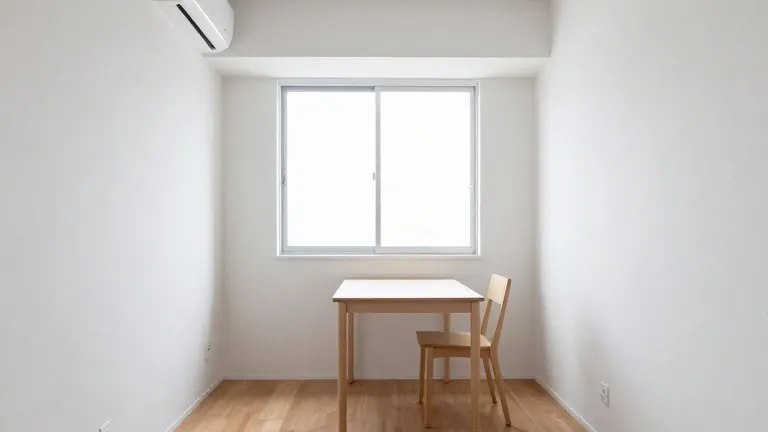
A tenant in Tokyo pays 45,000 yen per month for a 25-square-metre apartment, saving 17,000 yen compared to the standard market rate of 62,000 yen. The discount reflects the unit’s status as a jiko bukken, a property stigmatised by a death. Ryua, an entertainer who lives in the Setagaya ward, stated that a man died by suicide in the space. She noted that the estate agent confirmed the history during the viewing process.
The Japanese government issued guidelines in 2021 requiring real estate agents to disclose specific death events. Agents must report suicides, murders, deaths by fire, and cases where a body remained undiscovered for a long period. For rental agreements, this disclosure obligation lasts for three years. For properties offered for sale, the information must be revealed indefinitely. These rules apply nationwide and distinguish Japan from markets in the United Kingdom and the United States, where disclosure laws vary or do not exist.
Tokyo estate agent Erik Oskamp explained that Japanese renters show strong aversion to stigmatised homes. He noted that an apartment facing a cemetery is difficult to rent, particularly if graves are visible from the kitchen. He identified suicide as the most concerning factor for potential tenants. Other deterrents include serious crimes committed in the unit and the death of a person who lived alone.
Diane Tincher, a 79-year-old American tour guide who has lived in Japan for nearly 40 years, purchased a three-bedroom house in Kagoshima for 20 million yen. Similar properties in that location typically sell for up to 45 million yen. The price reduction resulted from an elderly woman dying alone in the home. Tincher found the listing on Oshimaland, a crowdsourced website that launched in 2005 to catalogue such properties in Tokyo before expanding internationally in 2011.
Teru Oshima, the founder of Oshimaland, said that these properties were historically unattractive options for buyers. Recent economic shifts have changed that perception. A 2025 survey found that more than half of Japanese people would now rent a stigmatised property if the price was low enough. Rising house prices and general living costs have driven more residents to consider these discounted units.
Ryua said she hears footsteps and voices daily in her apartment. She decided to move in after seeing a figure during the initial viewing that the agent could not see. She described herself as a contrarian who chose to become friends with the presence. She stated that ghosts were once living human beings and deserve respect.
Tincher said she does not believe in ghosts but acknowledges Japanese superstition. She expressed gratitude for the affordable home. The estate agent told her directly about the previous tenant's death. The transaction closed at the discounted price due to the property’s stigmatised status.
Source: BBC News
More Business · Business Complaints · Report a business · Got a Story?