Pediatric critical care beds vanish as hospitals shift focus to adults
The number of hospitals offering overnight care for sick children dropped by nearly 30 percent since 2008, forcing families in states like Montana and Oregon to travel farther for life-saving treatment.
By Ayanda Kaminski ·
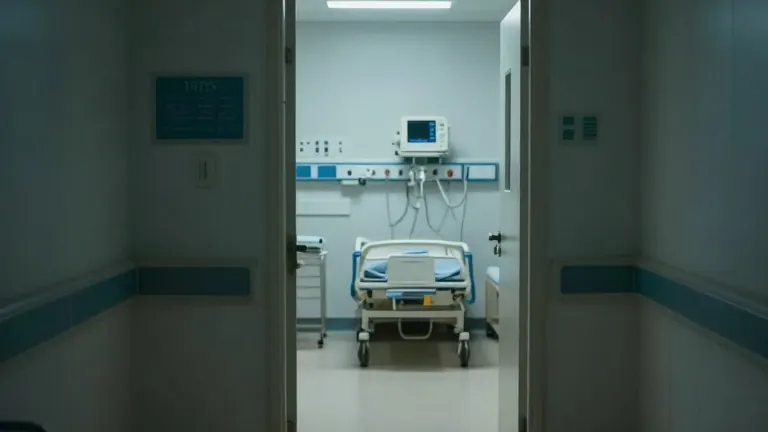
Families in Montana, Oregon, and Missouri are facing longer drives and emergency flights to find care for their most ill children. Hospital units dedicated to pediatric intensive care have closed in these states over the past year, while overnight wings for sick kids also shut down in Illinois and California. These closures remove local options for children ranging from a few weeks old to young adults.
A recent analysis found that the number of hospitals providing pediatric inpatient services fell from 1,749 in 2008 to 1,226 in 2022. This represents a decrease of nearly 30 percent. As a result, three-quarters of hospitals no longer offer any pediatric inpatient services. Hospitals are converting these beds into services for newborns or adults to manage costs.
Community Medical Center in Missoula, Montana, closed its pediatric intensive care unit this month. Greg Cook, the hospital's CEO, stated that the decision was driven by low patient volumes and long-standing staffing challenges. He noted that the hospital has struggled to recruit local pediatric critical care doctors since the last one retired eight years ago. Specialists have flown in on rotations, and the unit treated approximately two children a month on average. Cook estimated the closure will impact roughly 25 patients annually, who will now be stabilized before transfer to Kalispell, 150 miles north.
Elizabeth Mack, a pediatric critical care doctor and spokesperson for the American Academy of Pediatrics, described the issue as a spreadsheet problem. She said, "You can't expect that people will be fine if the next-closest children's hospital is a flight away or an eight-hour drive." Hospitals often cite lower reimbursement rates for children and the high cost of specialized equipment as reasons for closing these units.
The financial pressure is compounded by changes in federal Medicaid spending. The administration has added administrative hurdles to access low-cost health coverage, which affects about half of the nation's children. Public aid researchers warn that when caretakers face paperwork barriers, children can lose coverage. This reduction in enrolled patients means hospitals will face a financial hit, potentially leading to further service cuts.
Medical experts warn that centralizing care in large hubs may put patients at risk. Raj Basu, division chief of critical care medicine at Lurie Children's Hospital of Chicago, said that community hospitals without the right doctors or experience could endanger patients with complex conditions. He noted that better medicine means more children survive serious illnesses, leading to more complex cases that require specialized expertise. "From the front lines, there's a creeping sense, a concern, that kids are showing up a little bit sicker," Basu said.
Kenneth Michelson, lead author of the study on declining pediatric units, argued that these services are a national necessity rather than a commodity. He pointed out that the number of hospitals performing pediatric appendectomies decreased by more than half between 2003 and 2022. He urged for more federal funding and higher Medicaid reimbursement rates to support low-access areas. Medical organizations are also exploring regional training centers to help community hospitals manage patient transfers more effectively.
Source: CBS News