OpenAI CEO argues for centralizing memory in data centers to cut waste
Sam Altman contends that keeping DRAM in personal computers is inefficient, a stance that aligns with the current surge in hardware prices driven by bulk cloud purchases.
By Sophie Costa ·
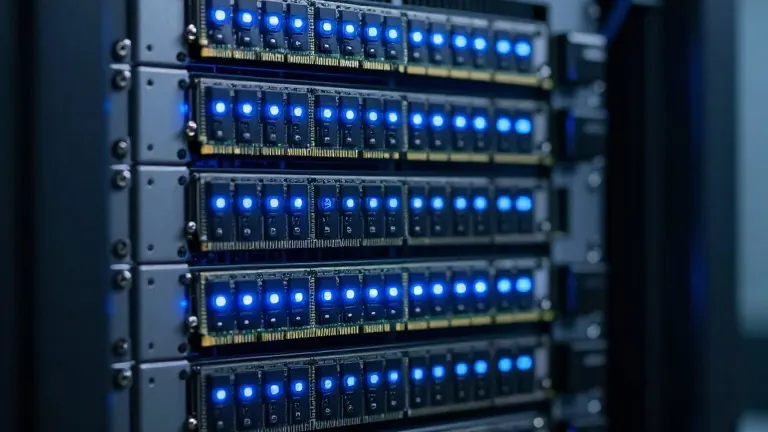
Global memory supplies are tight, creating a debate over where new hardware should sit: on individual desks or inside massive server farms.
Sam Altman, chief executive of OpenAI, argued this week that it is inefficient to allocate the world’s limited supply of dynamic random access memory to personal devices.
Speaking on the Cheeky Pint podcast, Altman described the scenario of users running local models on their own machines as "quite terrible" from a global allocation perspective.
He explained that personal computers typically utilize their installed memory only about five percent of the time. Altman stated that in a supply-constrained environment, maximum utilization in the cloud is the more logical approach.
"A lot of people want local inference," Altman said. "But from a global allocation perspective, actually, it’s quite terrible to have everybody have a bunch of the world’s limited supply of DRAM sitting in their own computer and being used five percent of the time."
His comments address the friction between consumer demand for on-device processing and the massive procurement strategies of major AI firms. Memory manufacturers Samsung and SK Hynix have entered long-term agreements with cloud operators and projects such as OpenAI’s Stargate. These contracts reserve a large portion of future RAM output, contributing to rising costs for laptops, phones, and other consumer electronics.
Source: The Verge