Hospitals Lacking Rapid Tests for New Synthetic Drugs
Regulatory rules prevent emergency rooms from using quick-acting screens for emerging substances like medetomidine, forcing doctors to rely on delayed data.
By Ayanda Kaminski ·
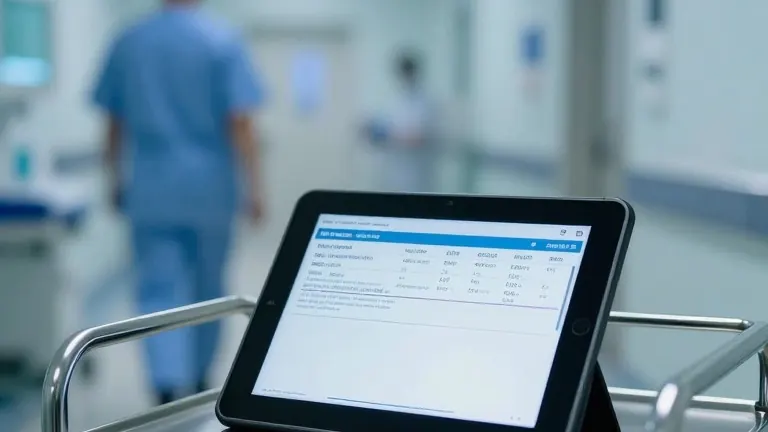
Emergency room physicians currently lack access to rapid point-of-care tests for several new synthetic substances circulating in the illicit drug supply. While law enforcement, medical examiners, and some employers utilize these quick-acting screens, clinicians treating overdose patients in hospital settings generally cannot use them. This regulatory gap leaves doctors without immediate diagnostic tools during critical emergencies.
The disparity stems from federal regulations governing medical diagnostics. Most rapid tests for emerging drugs are labeled for forensic use only. Clinical tests for living patients require approval from the Food and Drug Administration as diagnostic tools. Additionally, point-of-care testing must meet specific criteria under the Clinical Laboratory Improvement Amendments to qualify for waived status, a process that often lags behind the speed of the drug market.
This delay affects patient care as the composition of illicit drugs changes rapidly. Since 2020, xylazine has spread through the fentanyl supply, presenting a clinical challenge because naloxone, the standard overdose reversal drug, does not work on xylazine. Patients often remain dangerously sedated or unstable even after treatment. Xylazine is also linked to necrotic skin wounds and complex withdrawal syndromes.
More recently, medetomidine has displaced xylazine in many supplies. Like xylazine, medetomidine does not respond to naloxone and causes profound sedation and cardiovascular instability. Its withdrawal symptoms can trigger extreme hypertension and tachycardia, conditions connected to heart attacks in younger patients. Knowing which specific substance a patient has taken can alter treatment and discharge plans, but clinicians rarely have this information at the bedside.
Physicians currently rely on data from law enforcement seizures, public health alerts, and fatality reports from months prior. These data sources are often siloed and difficult to combine. Consequently, the system identifies emerging drugs in seized samples and autopsies before clinicians can identify them in living patients.
Advocates suggest the FDA establish an expedited pathway for clinical tests targeting emerging drug threats. This pathway could be triggered when agencies like the Centers for Disease Control and Prevention identify a substance of growing public health concern. The FDA already has a dual pathway for special clearance and CLIA waiver, which could be prioritized for new threats rather than forcing manufacturers through the ordinary timeline.
Federal and state agencies could also fund independent validation for these tests. The economics of emerging drugs are unusual, as substances often appear quickly and are replaced before manufacturers can justify the cost of extensive clinical studies. A small market does not necessarily indicate a small public health need.
Point-of-care testing should be treated as presumptive rather than definitive. Positive results can be confirmed later if necessary. Clinical care typically relies on a combination of history, physical examination, vital signs, and laboratory results. A rapid drug screen would serve as an additional tool to help physicians navigate the changing drug supply in real time.
Source: Time
More Business · Business Complaints · Report a business · Got a Story?