Displaced Wolves Enter Finnish Villages Following Google's Forest Clearing
Wildlife from cleared forests near Otanmäki is moving into residential areas after Google was ordered to halt construction of its AI data centers.
By Xiaoyu Wang ·
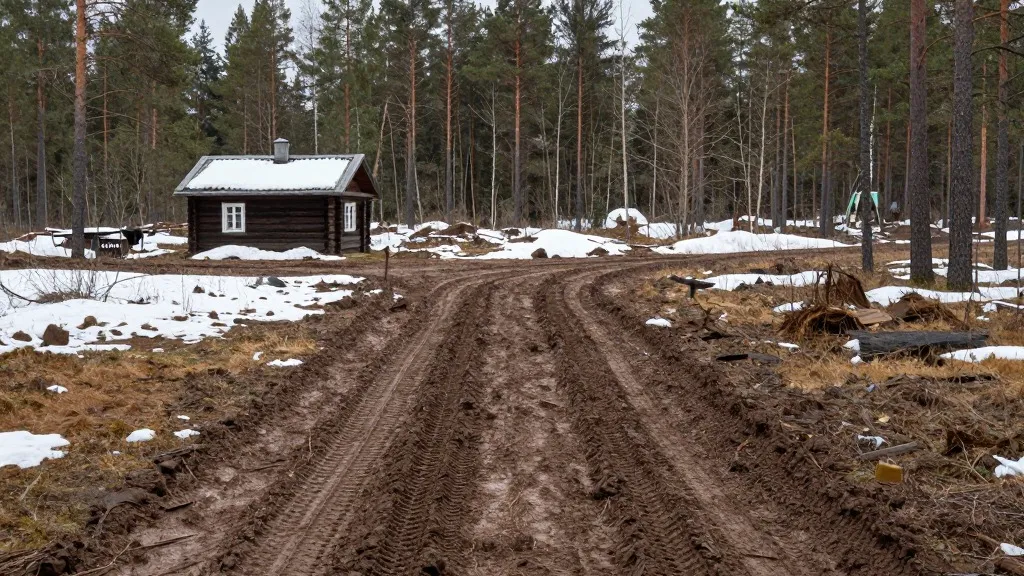
Wolves are now roaming into the streets of small villages in eastern Finland, a direct consequence of the massive forest clearings undertaken by Google for its artificial intelligence infrastructure. The shift in local wildlife behavior has become a visible marker of the disruption caused by the tech giant’s rapid construction efforts. Residents of the area report seeing the apex predators where they were once safely contained within the dense woodland, forcing a new level of vigilance upon communities that had lived in relative isolation from such wild neighbors for generations.
This latest development follows a formal apology from Google’s country manager in Finland regarding unauthorized clearings near the village of Muhos. The American company has been instructed by local authorities to cease work on a site where approximately 500 acres of forest were removed. This site is located 55 miles southeast of Otanmäki. The clearing has transformed what was once a thriving ecosystem into a large expanse of mud, fundamentally altering the landscape and the habits of the animals that depended on it.
Anni Ranta, 53, whose family has resided in Otanmäki for generations, describes the sudden appearance of wolves in the village as a result of wild animals being forced out of their natural habitat. "We had wolves coming into the village because all the wild animals moved out of the forest," Ranta explained. For many locals, this is not merely an ecological nuisance but a serious safety concern, as these predators move closer to homes and livestock in search of territory and food.
Ranta also voices a broader geopolitical anxiety, suggesting that the presence of U.S.-owned data centers in the region may make Finland a more attractive target for potential Russian aggression. This fear adds a layer of strategic unease to the environmental grievances already held by the community, highlighting the complex intersection of technology, security, and land use in the Nordic region.
The Finnish Licensing and Supervision Authority (LVV) issued the stop-work order after determining that Google had not strictly adhered to environmental regulations. A representative from the Finnish Association for Nature Conservation (SLL) characterized the company’s handling of environmental policy as unprecedented and clearly in violation of established standards. The regulatory body’s intervention underscores the growing tension between the rapid expansion of AI infrastructure and the preservation of Finland’s natural landscapes.
Google’s response has been one of cooperation and optimism. A spokesperson for the company stated that they would fully comply with the requests from the LVV and expressed a desire to maintain an active, open dialogue with all authorities. The goal, according to the spokesperson, is to strengthen the partnership between Google, the Finnish government, and local organizations. The company appears to be banking on the long-term business benefits of the data centers to sway regulators and the public.
Local complaints extend beyond the presence of wolves. Residents have reported construction and factory noise, streams turning brown due to runoff, and the displacement of rare bird species. These issues mirror concerns raised in the United States and other countries where AI data centers are being built, suggesting a broader pattern of environmental impact associated with the industry’s global expansion.
The situation serves as a case study in the challenges of integrating large-scale tech infrastructure into sensitive environments. While Google has pledged to reforest the cleared areas and remediate the damage, the immediate impact on local wildlife and community safety remains a pressing issue. The wolves’ migration into villages is a tangible reminder of the ecological costs associated with the race to build the world’s most advanced computing facilities.
As the construction halt takes effect, the focus now shifts to the remediation process and the ongoing dialogue between Google and local stakeholders. The outcome of this negotiation will likely set a precedent for future data center projects in Finland and potentially in other regions where environmental and technological interests collide. For the families in Otanmäki, the immediate priority is ensuring their safety as the wildlife continues to adjust to its new, unexpected surroundings.
Source: Tom's Hardware