Cold Air and Friction: Why Afro-Textured Hair Loses Moisture in Winter
Experts explain how low humidity, scalp oil limitations, and friction from winter clothing impact hair health.
By Ayanda Kaminski ·
The conflict between winter weather and hair health creates specific challenges for individuals with afro-textured hair. As temperatures drop, the physical properties of the environment change, leading to increased dryness and brittleness in coily hair. This shift is not merely a cosmetic issue but a structural one, driven by atmospheric conditions and biological factors.
Experts at Root2Tip identify the primary cause as the reduction of atmospheric moisture. Cold air holds significantly less humidity than warm air. When this dry outdoor air combines with indoor heating systems, the environment becomes arid. This dual effect strips hydration from the hair shaft, leaving curls feeling rougher and less manageable.
A biological factor compounds the environmental dryness. Sebum, the natural oil produced by the scalp, struggles to travel down the length of afro-textured hair. The coils, kinks, and bends in the hair shaft create a longer and more complex path for the oil to follow. Consequently, the mid-lengths and ends of the hair receive less natural lubrication than straighter hair types. This leaves the tips particularly vulnerable to snapping when exposed to winter conditions.
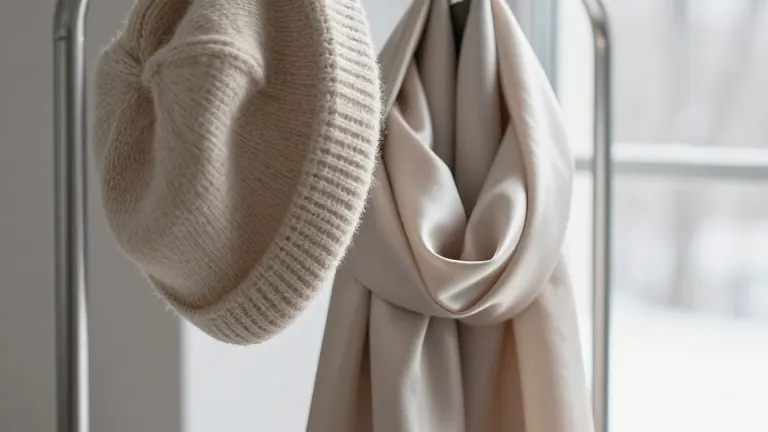
Winter accessories introduce a third variable: friction. Common materials used in winter clothing, such as wool and cotton, create static and tangles when they rub against the hair. According to The Earthling Co., this mechanical friction contributes to breakage. To mitigate this, experts recommend using hats and scarves lined with silk or satin, which reduce the amount of friction placed on the strands.
Managing this dryness requires a specific approach to product layering. Oils are often viewed as a complete solution, but they primarily serve to seal in moisture rather than provide it. Stylist experts advise applying a moisturizing leave-in conditioner before using oil. This sequence ensures that hydration reaches the hair before the oil creates a barrier. Leaving heavy product build-up on the scalp for extended periods without cleansing can also lead to discomfort and trapped debris.
Cleansing routines must also be adjusted for the season. Co-washing, which involves using a cleansing conditioner, is useful for refreshing hair between full washes. Some formulas contain ingredients like castor oil and vitamin E to support the scalp and strands. However, co-washing does not always remove all accumulated dirt and product. A gentle, nourishing shampoo remains necessary to effectively cleanse the scalp and prevent buildup.
Those wearing protective styles such as braids or twists must maintain regular scalp care. These styles do not eliminate the need for cleansing. Using targeted treatments and appropriate shampoos ensures that the scalp remains healthy and that product residue does not accumulate. Consistency in this routine helps maintain the integrity of the hair throughout the colder months.
Source: WJMO